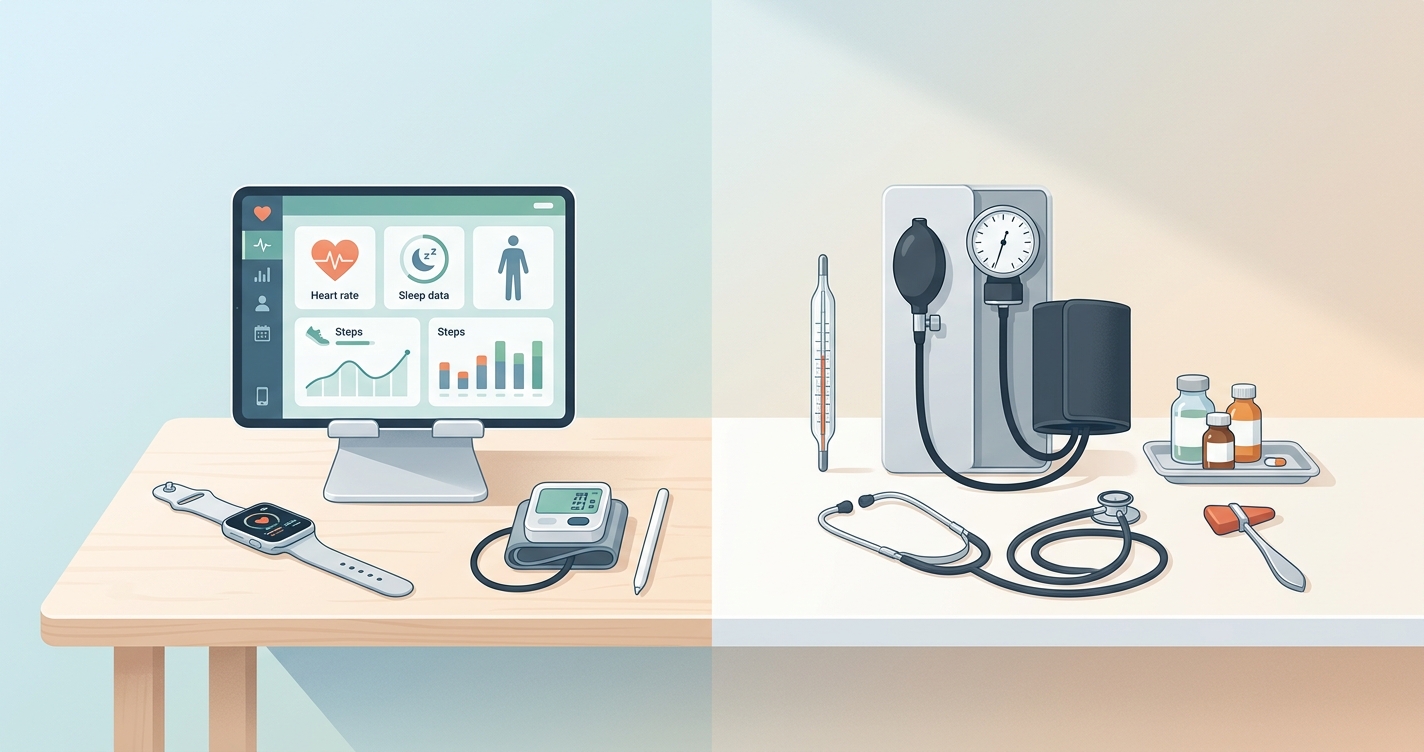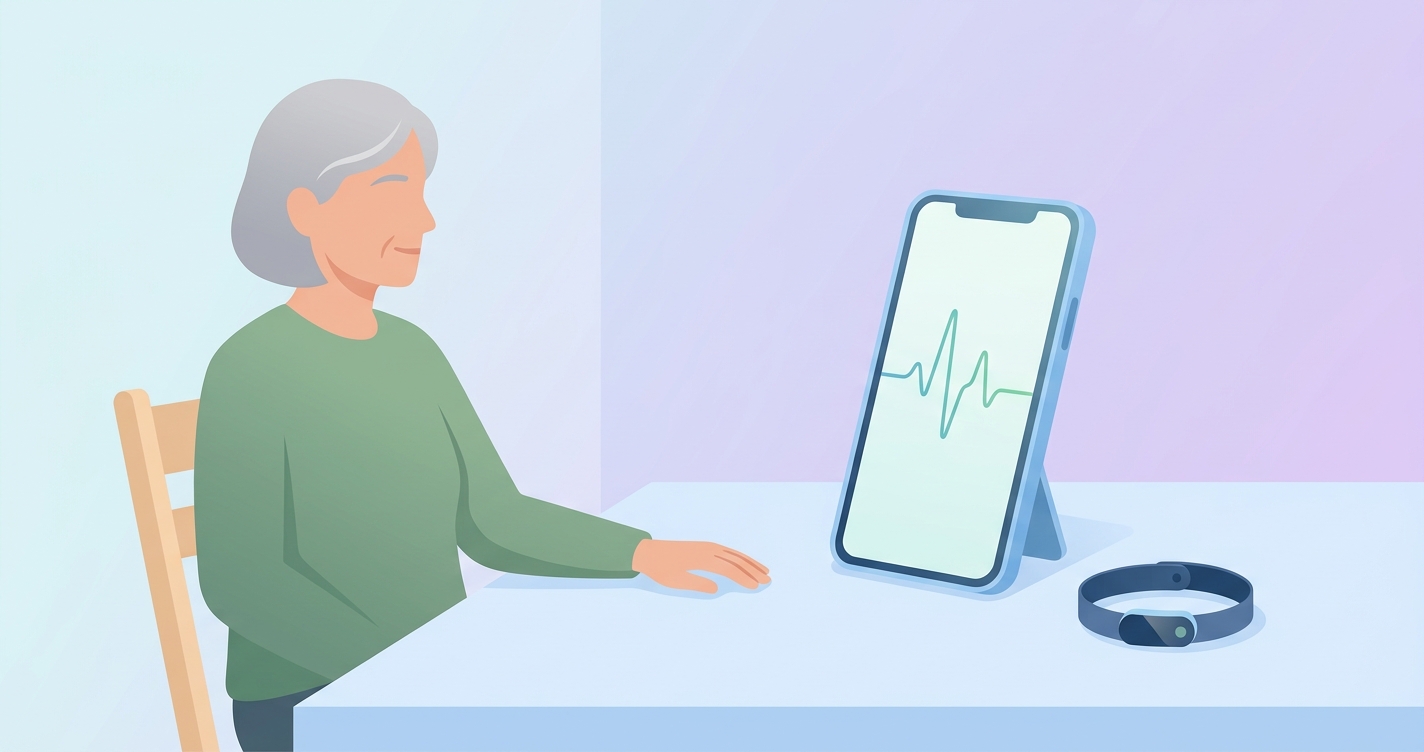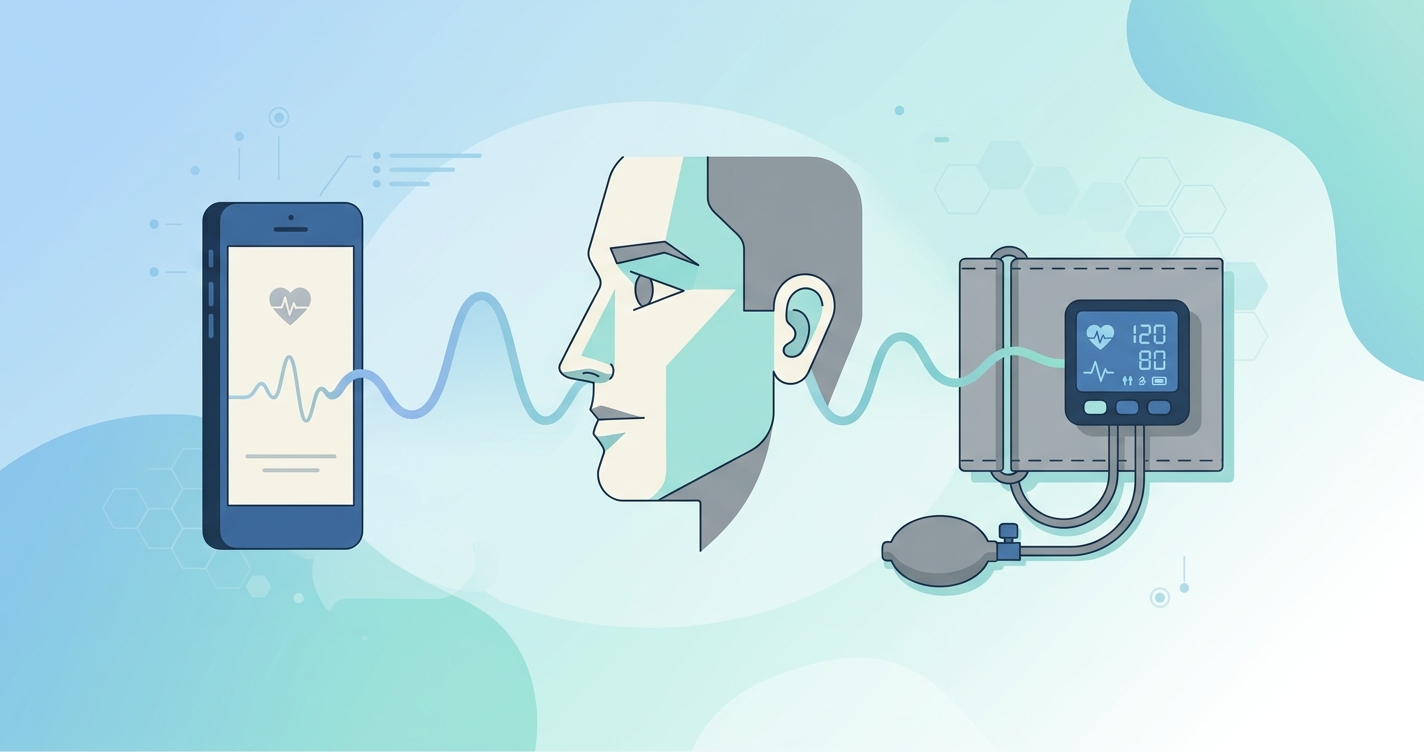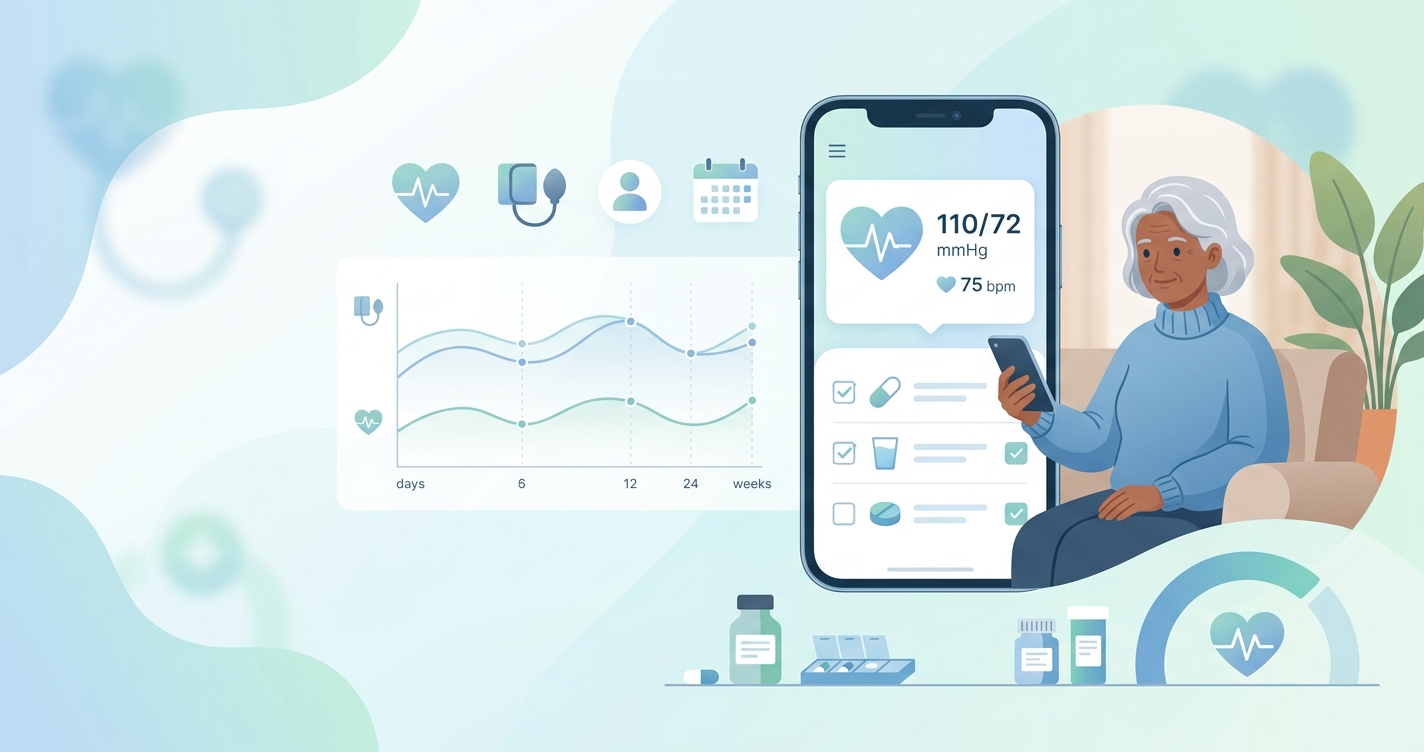

Why does my mom's blood pressure keep changing — and how can I track it?
Why mom blood pressure fluctuation happens, what patterns matter, and how families can track changes at home without turning every reading into a panic.
Insights on health technology, vitals monitoring, and wellness from the GetVitalsScan team.

Why mom blood pressure fluctuation happens, what patterns matter, and how families can track changes at home without turning every reading into a panic.

A research-based answer for families asking how to monitor heart failure without wearable devices, with evidence on symptoms, trends, and lower-friction daily check-ins.

An analysis of how accountable care organizations reduce COPD exacerbation rates with home monitoring, earlier intervention, and lower-friction chronic care workflows.

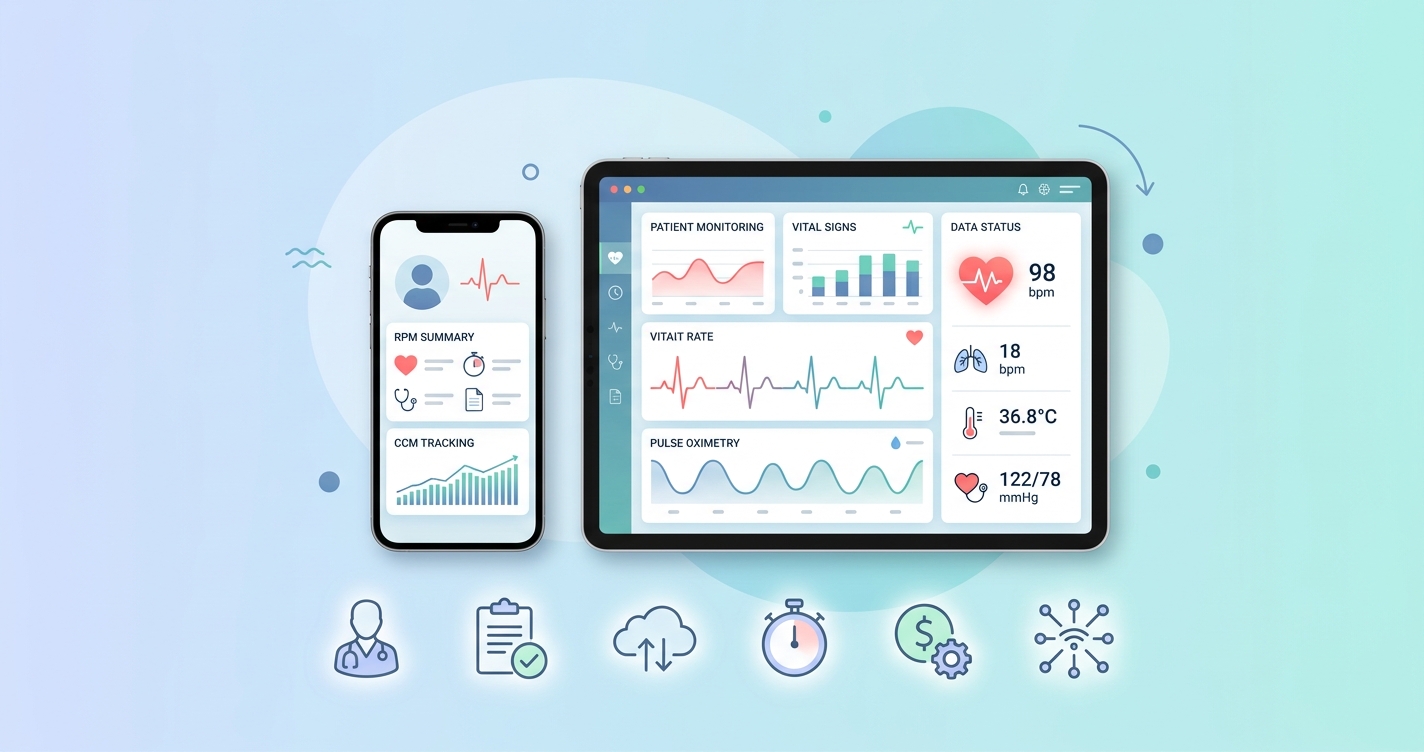
An analysis of how organizations bill Medicare CCM codes with contactless remote monitoring data, including workflow, compliance, and 2026 reimbursement context.

An analysis of how care managers prioritize interventions using contactless vitals dashboards, risk signals, and workflow design to reach unstable chronic patients sooner.

An analysis of how chronic care data supports quality measure reporting by improving denominator accuracy, documenting follow-up, and strengthening digital reporting workflows.

A 2026 analysis of chronic care management technology that value-based care leaders are adopting to improve outreach, visibility, and lower-cost longitudinal care.

An analysis of how care teams use daily vitals trends to titrate heart failure medications remotely, shorten optimization time, and intervene before decompensation.

An evidence-based look at how diabetes care programs track autonomic neuropathy with contactless HRV, using repeat cardiovascular trend data to surface risk earlier.

An analysis of six early warning signs of heart failure decompensation in daily vitals data, and why trend-based monitoring matters for chronic care teams.

A research-based look at how teams integrate contactless vitals into CCM workflows, from monthly outreach and triage to documentation and chronic care follow-up.

An analysis of the patient experience of daily contactless health checks, from convenience and adherence to trust, workflow fit, and device fatigue.

An analysis of how payers use chronic care vitals for risk adjustment, documentation strategy, and earlier intervention across Medicare Advantage and value-based care programs.

An analysis of five quality measures that improve when chronic care programs capture daily vitals, document earlier intervention, and close monitoring gaps across high-risk populations.

An analysis of how remote monitoring for long COVID patients supports symptom tracking, escalation decisions, rehabilitation planning, and lower-friction follow-up between visits.

An analysis of how remote monitoring supports palliative care at home through symptom visibility, caregiver support, and lower-friction care coordination.

A research-based look at the rpm vs ccm chronic care reimbursement model, including eligibility, staffing, billing logic, and where each fits in chronic care programs.

An analysis of how health systems and CCM operators scale a chronic care monitoring program through workflow design, staffing models, low-friction patient engagement, and reimbursement alignment.
A research-based look at why wearable fatigue chronic disease patients experience is pushing chronic care leaders toward simpler contactless monitoring models.

An analysis of how ACOs monitor high-risk patients between visits using daily vital signs, risk stratification, and low-friction remote monitoring workflows.

An analysis of how behavioral health comorbidities show up in vitals data across chronic care populations, from HRV shifts to respiratory changes that can inform earlier intervention.

A research-based look at how care teams build chronic care program contactless models around low-friction monitoring, staffing, escalation rules, and reimbursement realities.

An analysis of how camera-based monitoring supports patients with multiple chronic conditions through lower-friction daily vitals, earlier trend detection, and scalable chronic care workflows.

An analysis of how cardiology practices use remote vitals monitoring for heart failure, hypertension, and post-discharge surveillance across ambulatory care workflows.

An analysis of how CCM programs use contactless vitals for monthly check-ins, lower-friction engagement, and better chronic care follow-up between visits.

A research-based look at cost savings contactless chronic monitoring can create through lower device burden, fewer hospitalizations, and better chronic care workflow efficiency.

Daily contactless monitoring hypertension analysis for CCM teams, covering workflow design, evidence, and where camera-based check-ins fit.

A research-based look at how chronic care programs engage patients in self-monitoring through lower-friction workflows, feedback loops, and daily vital sign routines.

An analysis of medication adherence vital sign patterns in chronic care, including how blood pressure, heart rate, and engagement trends can signal change.

An analysis of how post-discharge monitoring helps care teams prevent 30-day readmissions through follow-up, daily vitals data, and better triage.

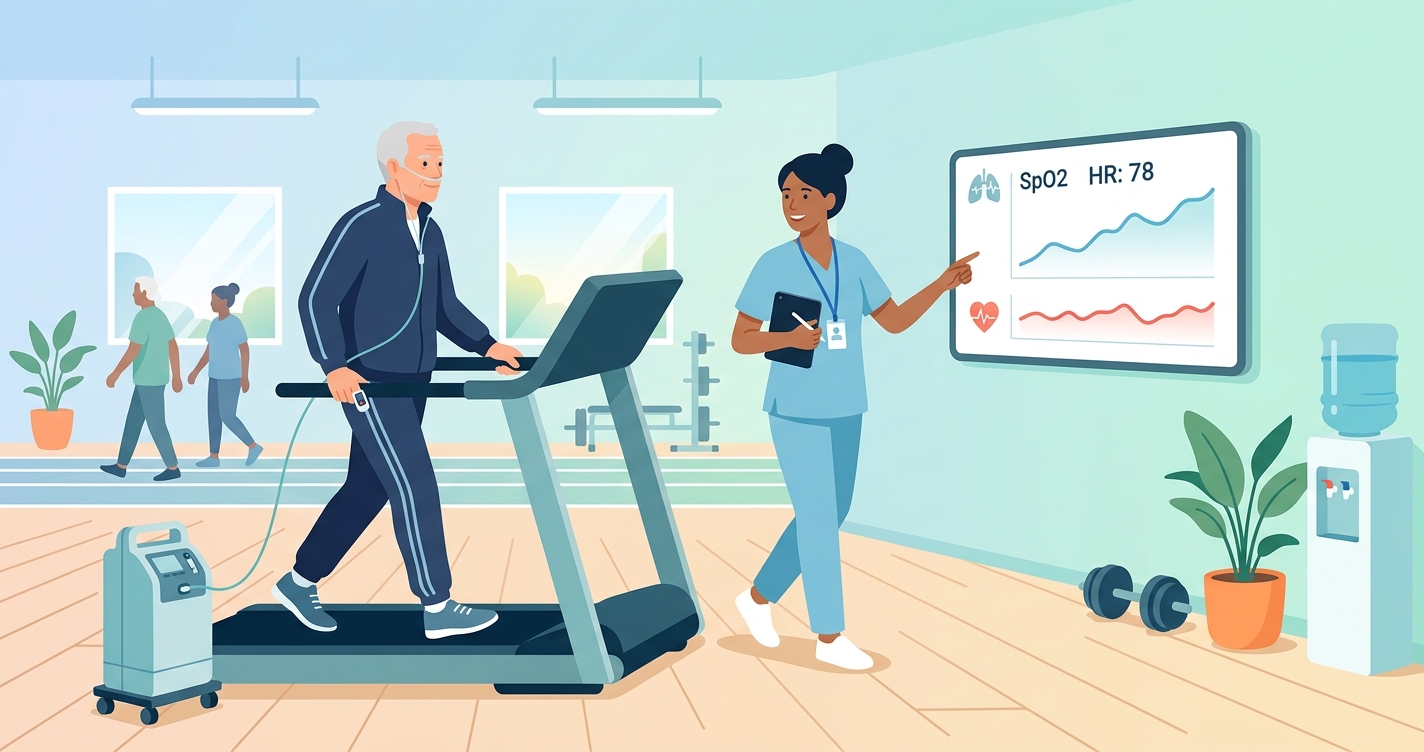
An analysis of how pulmonary rehab daily SpO2 monitoring works, where oxygen saturation trends matter, and how low-friction follow-up supports COPD care.
A research-based analysis of strategies to reduce readmissions for chronic disease patients, focusing on daily contactless vitals monitoring, transitional care protocols, and population-level surveillance for CCM companies, ACOs, and value-based care organizations.
Your body reveals stress through measurable vital sign changes. Learn how rPPG quantifies stress using heart rate, HRV, and autonomic markers.

An analysis of how value-based care organizations leverage daily vitals data from contactless monitoring to reduce acute utilization, improve chronic disease outcomes, and perform under risk-bearing contracts.

An evidence-based analysis of how diabetes daily contactless monitoring supports chronic care management programs, ACOs, and value-based care organizations in managing cardiovascular and autonomic complications in diabetic populations.

A research-driven analysis of how daily vital signs tracking without wearables supports COPD patient management in chronic care programs, with implications for CCM companies, ACOs, and value-based care organizations.

An analysis of how contactless vital sign monitoring supports heart failure patients in home settings, reducing readmissions and improving chronic care management outcomes for CCM programs and value-based care organizations.

A comprehensive chronic care management technology buyer guide for CCM companies, value-based care organizations, and ACOs evaluating daily vitals monitoring platforms, remote patient monitoring tools, and population health infrastructure.