How to Spot Silent Blood Pressure Spikes Between Visits
Daily home readings reveal dangerous blood pressure swings that clinic visits miss. Learn how value-based care organizations track silent hypertension spikes.
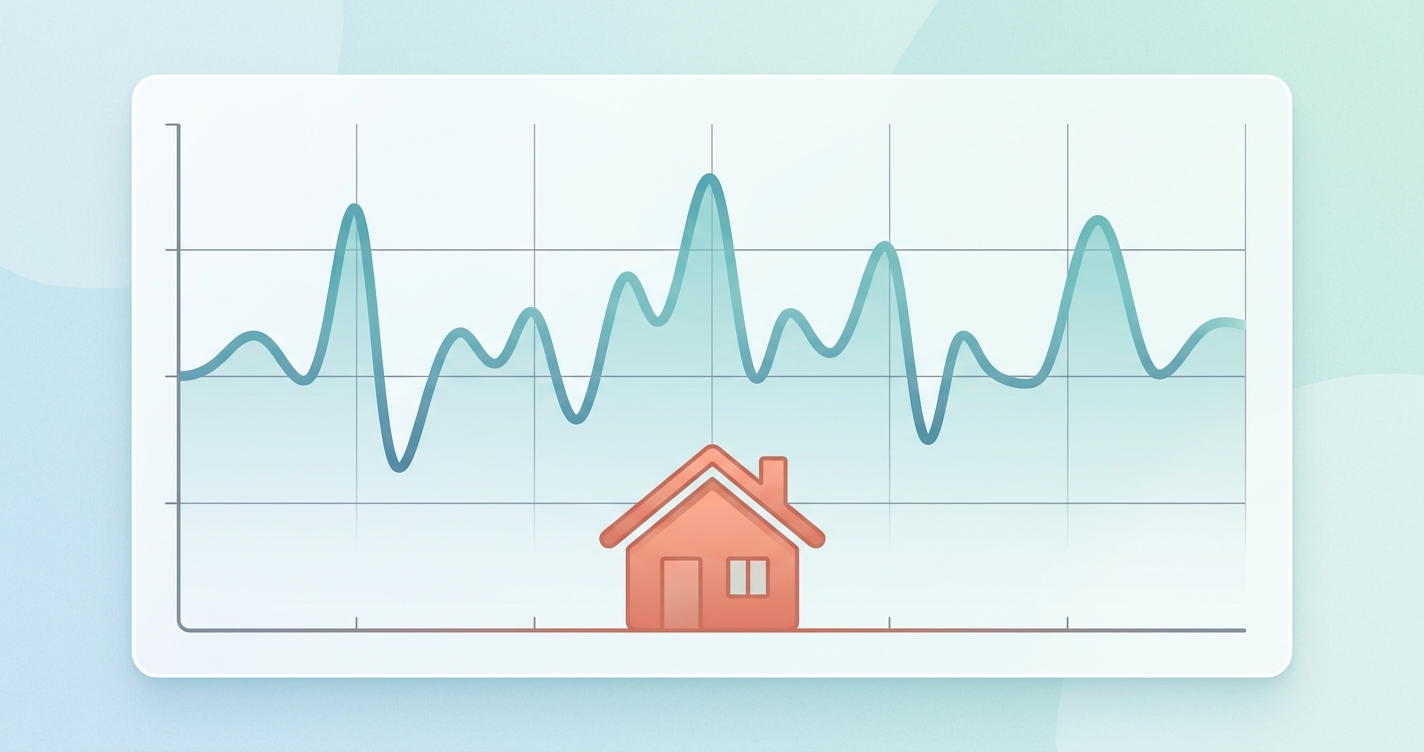
Relying on a single blood pressure reading taken during a quarterly clinic visit requires a dangerous assumption: that the reading represents the patient's physiological baseline for the remaining 89 days of the quarter. For value-based care organizations, effective blood pressure monitoring between visits is the only way to avoid this assumption, preventing misclassification of risk, undetected target-organ damage, and avoidable acute events. The physiological reality is that blood pressure fluctuates significantly throughout the day in response to physical activity, psychological stress, sleep quality, and medication timing. Recognizing these daily swings requires a fundamental shift from episodic clinical checks to continuous longitudinal data collection.
When a patient with chronic heart failure or advanced diabetes visits the clinic, their blood pressure is captured in an artificial environment. They have typically rushed through traffic, navigated a waiting room, and are sitting on an examination table. This snapshot provides very little insight into how their cardiovascular system handles the ordinary stresses of their daily routine. To truly prevent disease progression, population health managers must gain visibility into the home environment.
"Home blood pressure variability parameters are significantly associated with cardiovascular risk, demonstrating superiority over traditional ambulatory blood pressure variability when assessing patient prognosis." " Keisuke Narita, Satoshi Hoshide, and Kazuomi Kario, Hypertension (2023)
The clinical blind spot: blood pressure monitoring between visits
Hypertension is a highly dynamic condition. Managing it effectively requires blood pressure monitoring between visits to capture the true hemodynamic load placed on the patient's cardiovascular system. When chronic care management programs rely exclusively on office readings, they encounter two primary diagnostic errors: white-coat hypertension and masked hypertension.
White-coat hypertension occurs when a patient's blood pressure is elevated in a clinical setting but remains normal at home. This phenomenon affects an estimated 15% to 30% of the adult population. While it might seem like a harmless anxiety response, misinterpreting white-coat hypertension as sustained high blood pressure frequently leads to the over-prescription of antihypertensive medications. When these patients return home and take unnecessary medication, they face a severe risk of hypotensive events, dizziness, and dangerous falls.
Conversely, masked hypertension presents a more insidious clinical threat. In these cases, patients display normal, well-controlled blood pressure readings in the clinic but experience dangerous, sustained elevations at home. Research indicates masked hypertension affects 10% to 30% of untreated individuals. Without daily data, these patients appear perfectly stable in the electronic health record, causing care managers to prioritize other cases while the patient silently accumulates cardiovascular damage.
When blood pressure spikes silently during the day, the sheer mechanical force damages the delicate endothelium lining the blood vessels. Over time, this repeated micro-trauma accelerates atherosclerosis, forces the left ventricle of the heart to thicken and stiffen, and damages the microvasculature in the kidneys. Because the patient feels perfectly fine while this damage occurs, they remain entirely dependent on remote data capture to sound the alarm.
| Metric | Clinic Readings | Home Blood Pressure Monitoring |
|---|---|---|
| Data Frequency | Episodic (every 3-6 months) | Daily or twice-daily |
| White-Coat Effect | High risk of false elevation | Effectively eliminated |
| Masked Hypertension | Completely undetectable | Easily identified through trends |
| Variability Tracking | Impossible to assess | Captures morning surges and daily swings |
| Clinical Actionability | Reactive to past 90 days | Proactive medication titration |
Understanding the limits of episodic care requires looking at how daily data changes standard clinical workflows:
- Care managers can identify morning blood pressure surges that indicate a once-daily medication is wearing off too early in the night.
- Pharmacists can titrate exact medication doses based on a 14-day rolling average rather than a single stressful office measurement.
- Triage teams receive early warnings of dangerous pressure spikes days or weeks before they result in emergency department admissions.
- Physicians can distinguish between true treatment-resistant hypertension and mere medication non-adherence.
The economic impact of silent spikes
For organizations operating under value-based care contracts, unmonitored blood pressure variability is not just a clinical issue; it is a significant financial liability. High blood pressure that remains undetected between visits is a primary driver of strokes, acute myocardial infarctions, and the progression of chronic kidney disease.
When a patient suffers a preventable stroke due to masked hypertension, the accountable care organization absorbs the massive costs associated with acute hospitalization, rehabilitation, and long-term disability care. Traditional fee-for-service models historically masked these costs by reimbursing for the acute event, but value-based arrangements force healthcare organizations to internalize the cost of these diagnostic blind spots.
By catching a silent spike early, a care team can adjust a generic, low-cost medication. This simple, inexpensive intervention prevents an acute cardiovascular event that could cost tens of thousands of dollars. The economic math heavily favors frequent, low-friction data collection over the traditional wait-and-see approach.
Industry applications in value-based care
Accountable care organizations (acos)
Accountable care organizations manage massive populations and must strategically allocate their limited nursing and care management resources. If an ACO relies on clinic readings to risk-stratify its panel, it will inevitably direct resources toward the wrong patients, calling patients with white-coat hypertension while ignoring those with masked hypertension. Daily home tracking allows ACOs to risk-stratify their populations based on true physiological averages, ensuring that highly paid clinical staff spend their time on patients who are actually experiencing dangerous hemodynamic stress.
Chronic care management (ccm) programs
For traditional fee-for-service clinics transitioning to value-based care, Medicare's Chronic Care Management (CCM) codes provide the financial framework for continuous patient engagement. Integrating daily vitals into CCM workflows transforms the required 20 minutes of monthly clinical staff time. Instead of executing a generalized, purely conversational health check, care managers can conduct a highly targeted intervention based on concrete physiological data from the past 30 days. This makes the CCM program more valuable to the patient and more clinically defensible for the billing provider.
Current research and evidence
Recent clinical guidelines heavily emphasize the diagnostic superiority of out-of-office readings. A major 2023 study published in the American Heart Association journal Hypertension by researchers Keisuke Narita, Satoshi Hoshide, and Kazuomi Kario analyzed 1,314 hypertensive outpatients over a median 7.0-year follow-up. Their research specifically compared ambulatory and home monitoring methods. They found that home blood pressure variability was a significantly stronger predictor of cardiovascular risk than ambulatory blood pressure variability.
Furthermore, the 2024 Chinese Guidelines for the Prevention and Treatment of Hypertension quantified the exact risk of these silent spikes. The data showed that for untreated patients with normal office blood pressure, every 10 mmHg increase in home systolic blood pressure raises the risk of composite cardiovascular events by 22% to 28%.
The data also revealed alarming statistics regarding morning blood pressure control. Patients with completely controlled office systolic blood pressure (below 130 mmHg) but elevated morning home systolic blood pressure (145 mmHg or higher) face a 1.5 times higher risk of cardiovascular events compared to those whose morning pressure is also controlled.
These findings fundamentally challenge the utility of the traditional clinical visit for hypertension management. When a patient's risk profile increases by over 20% due to fluctuations that only happen outside the clinic, remote tracking becomes a strict diagnostic necessity rather than an optional add-on.
The future of hypertension monitoring
While the clinical community universally recognizes the need for home data, the primary barrier to scale remains device fatigue. Traditional home blood pressure cuffs require the patient to remember to sit down, apply the cuff correctly to their bare arm, remain still for several minutes, and manually sync the device to a smartphone application.
This active participation requirement creates a massive drop-off in adherence. Patients might comply for the first two weeks following a hospital discharge or a scary diagnosis, but as time passes, the daily chore becomes burdensome. In chronic care populations, adherence to traditional cuff monitoring often plummets after the first 90 days.
The next phase of hypertension management focuses on completely eliminating patient friction. Future models rely on ambient and contactless monitoring solutions that collect vital signs without requiring active patient behavior changes or daily setup. By removing the physical cuff and the manual effort from the equation, care organizations can achieve the longitudinal adherence required to track blood pressure variability accurately over years, not just weeks. This continuous stream of data will allow predictive algorithms to identify dangerous trends long before a patient feels any physical symptoms.
Frequently asked questions
What is masked hypertension and why is it dangerous? Masked hypertension occurs when a patient has normal blood pressure readings in a clinical setting but elevated blood pressure at home during their daily life. It is dangerous because it often goes undetected, leaving the patient at high risk for target-organ damage and cardiovascular events while their medical record falsely indicates their condition is controlled.
How does blood pressure variability affect cardiovascular risk? High blood pressure variability, or significant swings in blood pressure throughout the day or week, places additional mechanical stress on blood vessels and the heart. Recent clinical studies demonstrate that elevated home blood pressure variability is strongly associated with an increased risk of stroke, heart attacks, and all-cause mortality, independent of the patient's average baseline blood pressure.
Why do value-based care organizations prioritize out-of-office readings? Value-based care organizations are financially responsible for patient outcomes. Relying on single office readings leads to misdiagnoses (like white-coat hypertension) that waste medication resources, or missed diagnoses (like masked hypertension) that lead to expensive emergency room visits. Out-of-office readings provide the accurate, daily data needed to prevent acute events and control total care costs.
What is the morning blood pressure surge? The morning surge is a rapid increase in blood pressure that occurs upon waking. While a slight increase is a normal physiological response to waking up, an exaggerated morning surge is a strong predictor of cardiovascular events, particularly early morning strokes. This specific type of surge can only be detected through regular home monitoring immediately after the patient wakes.
Identifying masked hypertension and dangerous daily variations requires a monitoring infrastructure that patients will actually use long-term. Circadify provides frictionless daily vital sign collection designed specifically for populations that struggle with traditional wearable devices and manual blood pressure cuffs. For value-based care organizations looking to eliminate the clinical blind spots between quarterly visits, explore how we support remote operations at Circadify's Chronic Care Management Solutions.