Monitoring Three Chronic Conditions From One Phone, Easily
Managing diabetes, heart failure, and COPD simultaneously requires streamlined technology. Learn how contactless monitoring eliminates hardware device fatigue.
Managing high-risk patient populations demands a harsh operational reality: chronic diseases do not exist in isolation. When value-based care organizations attempt to monitor these overlapping conditions using traditional hardware, they inevitably hit a logistical wall. A patient managing heart failure requires a digital weight scale and a blood pressure cuff. If that same patient also has a diabetes diagnosis, they must manage a continuous glucose monitor or traditional glucometer. Add chronic obstructive pulmonary disease (COPD) into the equation, and a pulse oximeter enters the daily routine. This fragmented approach produces massive device fatigue, lowers patient adherence rates, and creates completely disparate data silos for care managers. The logistical friction of multiple chronic conditions remote monitoring explains why so many ambitious population health initiatives fail to scale beyond their initial, highly subsidized pilot programs.
"In 2023, 51.4% of US adults reported having multiple chronic conditions, transforming multimorbidity from a clinical exception into the operational baseline for population health management." , Centers for Disease Control and Prevention (CDC) Behavioral Risk Factor Surveillance System, 2023
The logistical friction of device-heavy chronic care
The standard operational model for chronic care management assumes a single-disease pathway. Vendor contracts are often negotiated for hypertension programs, or COPD programs, or heart failure programs exclusively. However, epidemiological data routinely invalidates this segregated assumption. When a patient develops one chronic illness, the probability of acquiring another increases rapidly. According to recent Medicare beneficiary analyses, older adults newly diagnosed with COPD present a 31.3% prevalence of congestive heart failure and a 29.4% prevalence of diabetes at the exact time of onset. Within one single year of that initial diagnosis, those specific comorbidities rise to 38.8% and 34.2%, respectively.
Providing a separate physical medical device for every distinct symptom stream places an enormous burden on clinical staff and the patient. At the organizational level, hardware provisioning involves complex shipping logistics, reverse logistics for broken equipment, SIM card connectivity troubleshooting, and hardware retrieval when a patient exits the program.
For the patient, the friction is immediate and personal. Measuring vital signs transforms from a quick health check into a tedious, anxiety-inducing morning chore. The sheer physical footprint of managing three or four different plastic devices guarantees a steep drop in long-term engagement. When adherence drops, clinical teams lose visibility, preventing early interventions. More critically for the financial sustainability of the program, value-based care organizations cannot bill Medicare for remote physiologic monitoring (RPM) or chronic care management (CCM) codes if the patient fails to transmit sufficient data throughout the month.
Consolidating workflows through the smartphone
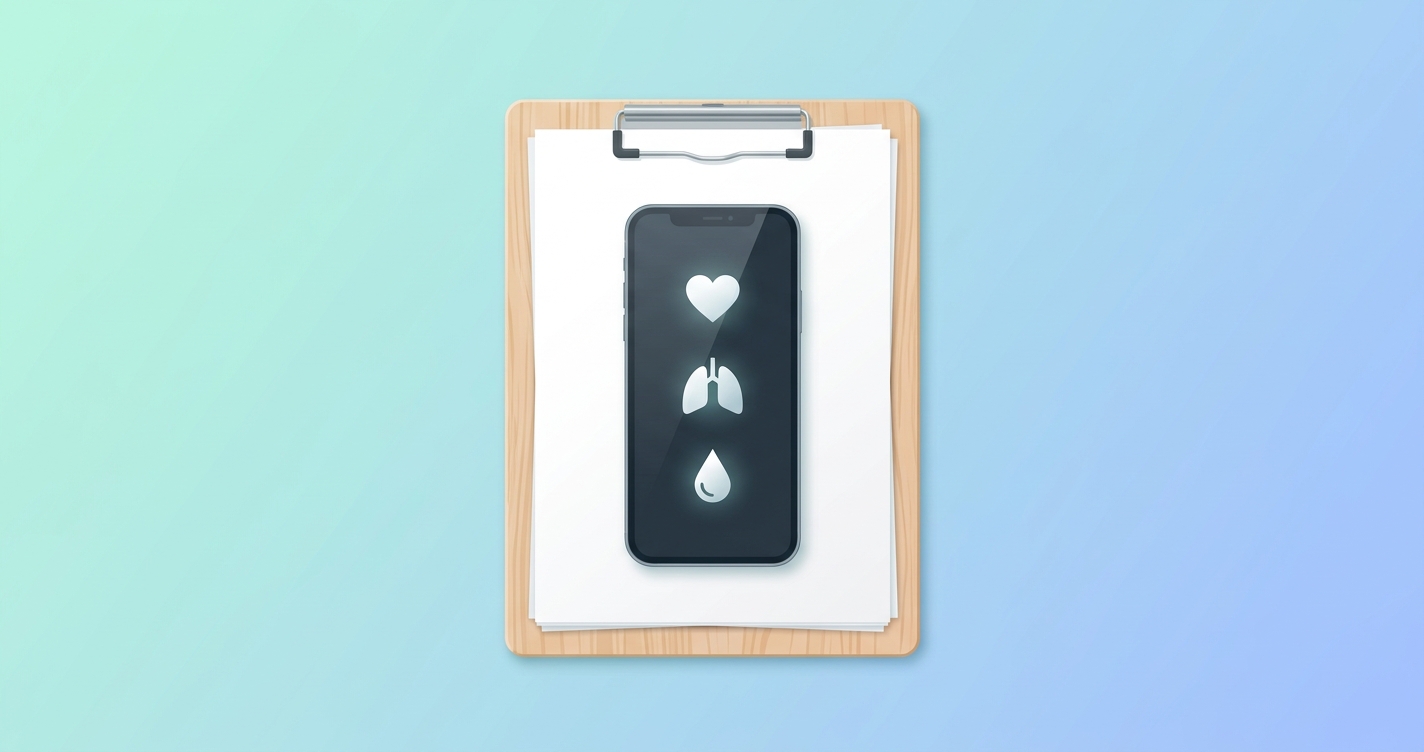
Contactless vitals tracking completely changes the programmatic equation. By utilizing the optical sensor and processing power already present in a standard modern smartphone, a single application layer can capture heart rate, oxygen saturation, and respiration rate simultaneously. This consolidated approach specifically addresses the core logistical failure of hardware-based programs by eliminating the physical supply chain entirely.
Here is a breakdown of how moving from a device-heavy model to a unified software model alters the operational realities for chronic care management organizations.
| Operational Metric | Traditional Hardware Programs | Contactless Unified Monitoring |
|---|---|---|
| Logistics Chain | Requires shipping, tracking, and physical retrieval | Zero physical logistics; software download only |
| Patient Burden | High (juggling multiple physical devices daily) | Low (one brief smartphone interaction) |
| Capital Expenditure | Heavy upfront cost for purchasing physical devices | Minimal upfront cost; scales per active user |
| Data Aggregation | Often siloed in proprietary hardware vendor dashboards | Unified continuous stream in a single application |
| Scaling Capacity | Bottlenecked by inventory management and IT support | Instantly scalable across any connected population |
The operational advantages become clear when evaluating the daily realities of patient management. What makes a unified phone-based system vastly superior for complex populations?
- It entirely eliminates the need to ship, track, and retrieve physical hardware, freeing up clinical coordinators to focus on actual patient care.
- It dramatically reduces patient friction by combining respiratory and cardiovascular metrics into a single, straightforward daily check.
- It prevents data fragmentation by funneling multiparameter vital signs into one cohesive dashboard for triage teams.
- It lowers the upfront financial barrier required to launch a new monitoring initiative or expand an existing chronic care program to a wider patient panel.
Industry applications for multiple chronic conditions remote monitoring
Accountable care organizations (ACOs) and dedicated chronic care management firms are actively redesigning their clinical workflows to account for populations managing diabetes, heart failure, and COPD simultaneously.
Heart failure and fluid overload detection
Monitoring heart failure requires consistently tracking cardiovascular strain and watching for the earliest signs of systemic decompensation. While tracking daily weight fluctuations remains a standard practice, weight gain is often a lagging indicator of fluid retention. Detecting subtle, gradual changes in resting heart rate and resting respiratory rate provides a much earlier warning system for fluid accumulation in the lungs. Contactless technology captures these vital parameters directly through a smartphone camera without requiring the patient to attach separate chest straps or manage bulky cuffs.
Copd exacerbation tracking and prevention
A COPD flare-up rarely happens in a single afternoon. Exacerbations build steadily over several days as the pulmonary system works harder to maintain baseline oxygenation. Care managers rely heavily on daily respiratory rate trends to detect these creeping exacerbations long before the patient feels subjectively breathless. Phone-based monitoring allows patients to submit these vital signs simply by looking at their smartphone camera. This strips away the friction of traditional finger-clip pulse oximetry, ensuring that care teams receive uninterrupted data streams during the critical window preceding a potential hospitalization.
Diabetes and correlated cardiovascular risk
Diabetes operates as a massive risk multiplier for severe cardiovascular events. Patients managing chronically elevated blood glucose require consistent cardiovascular monitoring to prevent long-term vascular damage and autonomic neuropathy. Unified software monitoring allows clinical triage teams to track the cardiovascular implications of diabetes, such as elevated resting heart rate, without forcing the patient to adopt yet another piece of standalone hardware alongside their glucose monitoring tools.
Current research and evidence
Clinical and operational research over the past two years has heavily focused on resolving the adherence and engagement issues uniquely associated with multimorbidity. A robust 2024 study led by researchers Damien Testa and Israa Salma evaluated the EPOCA remote patient monitoring system, which specifically targeted polypathological older adults at a notoriously high risk for acute hospitalization. Their rigorous findings demonstrated that successfully monitoring older adults with complex, overlapping chronic conditions requires highly streamlined systems to effectively reduce readmissions and emergency department visits. Fragmented device setups consistently failed to achieve the necessary adherence thresholds.
Qualitative research further supports the immediate need for reduced patient friction. In a comprehensive 2023 study published in the Journal of Medical Internet Research, researchers Hege Wathne, Marianne Storm, Ingvild Margreta Morken, and Anne Marie Lunde Husebø carefully investigated nurse-assisted remote monitoring for long-term illness. Their multimethod study revealed a stark operational reality: while clinical nurses found continuous remote data incredibly valuable for identifying early physiological deterioration, the ultimate success of the program relied entirely on sustaining patient participation. Complex, multi-device setups routinely lead to severe alert fatigue and complete disengagement. Conversely, unified software solutions aligned cleanly with existing patient capabilities and normal daily routines.
The future of unified disease tracking
The next evolutionary phase of chronic care management technology will move away from device-centric business models. As value-based care organizations increasingly recognize that multimorbidity is the standard profile, not the exception, for their high-risk panels, procurement strategies will shift sharply toward software-defined monitoring.
Future platforms will aggregate cardiovascular, metabolic, and respiratory data through ambient and entirely contactless methods. A patient will simply complete their normal morning routine while their consumer smartphone captures a comprehensive physiological profile. Care management platforms will then synthesize these multiparameter inputs, alerting clinical teams only when a patient's combined risk score deviates from their established historical baseline. This technological shift will finally allow population health teams to radically scale their monitoring operations without proportionally inflating their hardware logistics budgets.
Frequently asked questions
How does a smartphone capture vital signs without physical attachments? Modern smartphones rely on a specialized process called remote photoplethysmography (rPPG). The smartphone's existing high-resolution camera detects microscopic changes in the light reflecting off the skin as blood pulses through the facial capillaries. Advanced software algorithms then process this raw optical signal to accurately extract vital metrics like resting heart rate and respiration rate.
Why do traditional hardware programs struggle to manage multimorbidity? Traditional programs assign one specific physical device per targeted vital sign. A single patient managing three distinct chronic conditions might be instructed to use a blood pressure cuff, a pulse oximeter, and a weight scale every single morning. This operational model creates immense device fatigue, leading the majority of patients to abandon their readings entirely after the first few weeks of the program.
Can multiple chronic conditions remote monitoring actually reduce hospital readmissions? Yes. By capturing a holistic, multi-metric view of a patient's cardiovascular and respiratory health daily, clinical care managers can detect gradual systemic deteriorations, such as a steadily creeping resting heart rate or consistently elevated respiration, days before the patient feels subjectively sick enough to seek emergency room care.
Is phone-based vitals monitoring difficult for older adults to operate? No. Because the software utilizes the consumer hardware they already own, charge, and know how to use, the barrier to entry is extremely low. The patient simply opens a secure application and looks at the screen, completely bypassing the complex Bluetooth pairing, syncing, and troubleshooting processes routinely required by traditional medical devices.
As the volume of older adults managing overlapping illnesses continues to rise rapidly, healthcare organizations cannot afford to scale their programs by shipping more plastic hardware. Circadify is directly addressing this space by providing a unified, contactless architecture that captures daily respiratory and cardiovascular vital signs using just a standard smartphone. For ACOs and value-based organizations ready to eliminate device fatigue and streamline their multimorbidity strategies, exploring chronic care management technology is the next operational step.