What happens if I miss the early signs my COPD is getting worse?
Explore the clinical and financial consequences of missed COPD exacerbation early signs, and how remote monitoring can help identify physiological changes before patients feel symptoms.
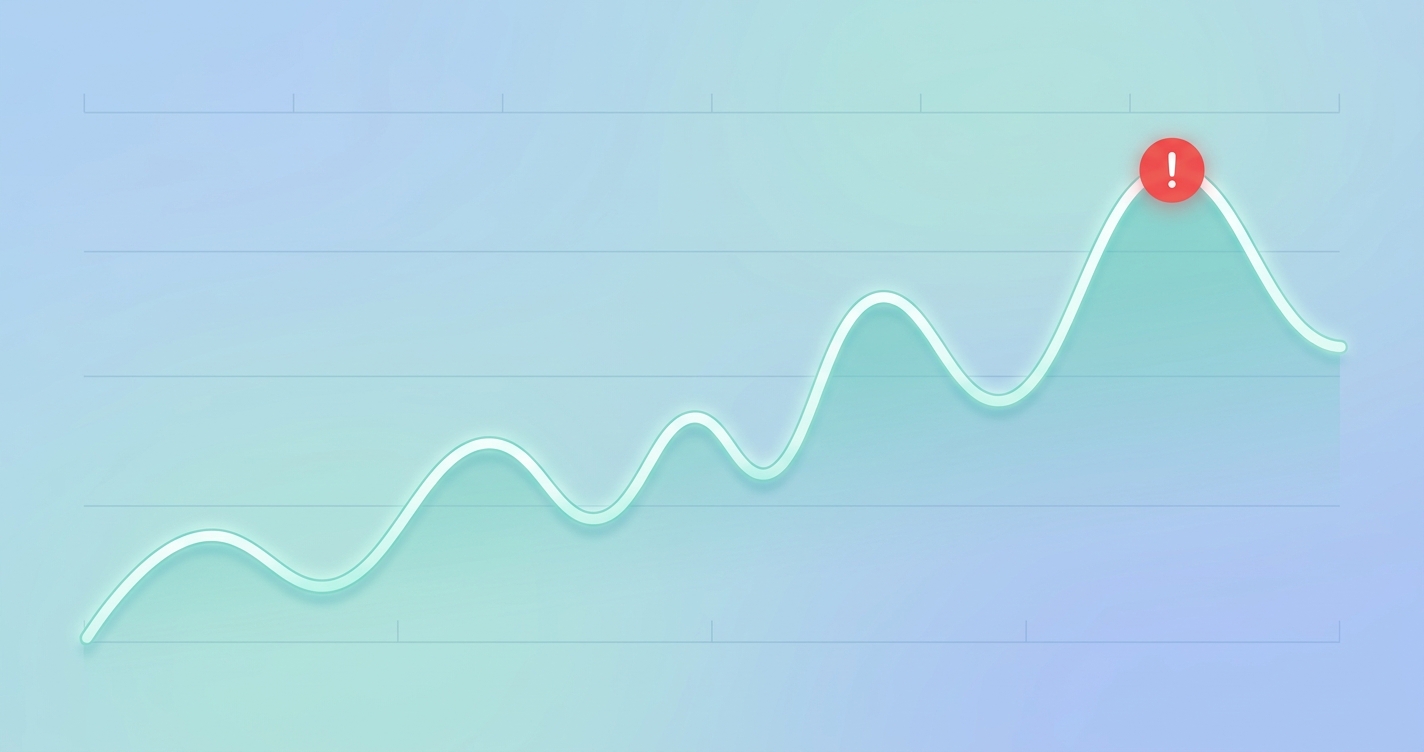
For the millions of individuals managing Chronic Obstructive Pulmonary Disease (COPD), the distinction between a "bad air day" and the start of a serious exacerbation is a constant source of anxiety. There is often a critical gap between when physiological metrics first indicate a decline and when a person actually feels sick enough to seek help. The missed COPD exacerbation early signs consequences during this window can be severe, often leading to emergency department visits, hospitalizations, and a significant decline in long-term health. Understanding this gap is the first step for care management organizations aiming to improve patient outcomes and reduce the high costs associated with reactive care.
"More than 70% of patients presenting to the emergency department with a COPD exacerbation waited over 24 hours after symptom onset before seeking care, a delay that significantly increases the risk of hospitalization." - (Desai et al., 2012, "Care-seeking and delay of care during COPD exacerbations")
The high cost of missed COPD exacerbation early signs and consequences
An acute exacerbation of COPD is more than a temporary worsening of symptoms; it is a pivotal event that can accelerate disease progression and increase mortality risk. The consequences of missing the early signs are not just clinical but also financial, impacting patients, providers, and payers. When the subtle, pre-symptomatic indicators are overlooked, the opportunity for early, low-acuity intervention is lost. This leads to a cascade of negative outcomes, including more intense and costly treatments, higher readmission rates, and a diminished quality of life for the patient.
The core of the problem lies in the delayed reaction. Patients may not recognize the severity of initial changes, attributing increased breathlessness or fatigue to normal fluctuations. Research from KU Leuven on using wearable biosensors highlights the push to identify "silent" physiological markers that precede patient-reported symptoms. By the time a patient feels definitively unwell, the exacerbation is often advanced, requiring aggressive intervention. This delay is a primary driver of the nearly $50 billion annual cost of COPD in the United States, a figure heavily weighted by emergency care and inpatient stays. For value-based care organizations, these reactive, high-cost episodes represent a significant challenge to achieving both clinical and financial goals.
| Feature | Traditional Symptom-Based Detection | Physiological Data-Based Early Detection |
|---|---|---|
| Primary Indicator | Patient-reported symptoms (e.g., increased dyspnea, cough, sputum) | Changes in vital signs (e.g., respiratory rate, heart rate, SpO2) |
| Timing | Late in exacerbation cycle (often >24 hours after onset) | Early, often days before patient feels significantly worse |
| Typical Action | Urgent care, emergency department visit, or hospitalization | Proactive telehealth consultation, medication adjustment, patient coaching |
| Outcome | High rates of hospitalization, increased recovery time, higher costs | Reduced hospitalizations, faster recovery, lower cost of care |
Industry applications for early detection
The ability to identify COPD exacerbations before they become catastrophic is a primary focus for chronic care management programs. The missed COPD exacerbation early signs consequences are a direct threat to the stability and health of the populations they manage.
Chronic care management (ccm) programs
For CCM teams, early detection transforms their workflow from reactive to proactive. Instead of responding to patient-initiated calls about severe symptoms, care managers can be alerted by remote monitoring systems to subtle physiological changes.
- An alert for a rising respiratory rate over 48 hours can trigger a telehealth check-in.
- A downward trend in nighttime oxygen saturation can prompt a medication review.
- Changes in heart rate variability can indicate increased systemic stress, warranting a nursing assessment.
This proactive stance allows for interventions like medication adjustments or patient education on breathing techniques to be deployed early, often preventing the need for an emergency visit.
Value-Based Care and ACOs
Accountable Care Organizations (ACOs) and other value-based care models are judged on their ability to improve population health and reduce total cost of care. Hospitalizations for COPD exacerbations are a major source of preventable spending. A 2021 study on the impact of delayed treatment highlighted that prompt initiation of appropriate therapy significantly lowers 90-day all-cause readmissions. By implementing technology that provides daily physiological data, these organizations can create an early warning system that protects both their patients and their financial stability.
Current research and evidence
The link between proactive monitoring and improved outcomes is well-documented. A systematic review and meta-analysis published in the journal Frontiers in Medicine (2022) concluded that remote patient monitoring for COPD was associated with a significant reduction in the risk of hospitalizations and emergency department visits. The researchers noted that systems tracking parameters like oxygen saturation, heart rate, and respiratory rate were key to enabling timely clinical responses.
Another study by researchers at KU Leuven is exploring how non-obtrusive wearable biosensors can identify these early "silent" physiological markers. This work focuses on the critical window before patients themselves report a worsening of symptoms. The findings suggest that consistent, objective data streams are more reliable for early detection than subjective symptom diaries alone, which can be influenced by a patient's perception and daily variability. A 2012 study by Desai et al. found that patients often struggle to differentiate an acute exacerbation from their normal day-to-day symptom burden, further strengthening the case for objective physiological monitoring.
The Future of Contactless Monitoring for COPD
While wearable devices have been the standard for remote monitoring, challenges with patient adherence and device fatigue are common. Many patients with chronic conditions find the process of managing multiple sensors, chargers, and apps to be burdensome. The future of effective chronic care monitoring lies in contactless technology that gathers essential vital signs without requiring any patient interaction.
Imagine a patient's respiratory rate, heart rate, and other key indicators being measured ambiently while they work at their desk or rest. This approach removes the adherence barrier completely, ensuring a consistent and uninterrupted flow of data to the clinical team. For organizations managing large populations of COPD patients, this means more reliable data, fewer gaps in monitoring, and a more scalable system for catching the earliest signs of decline.
Frequently asked questions
What are the first physiological signs of a COPD exacerbation? The earliest signs are often subtle changes in vital signs that occur before a person feels sick. These can include an increased resting respiratory rate, a higher resting heart rate, and a decrease in blood oxygen saturation (SpO2). These changes reflect the body's increased work of breathing.
Why do patients delay seeking care for a COPD exacerbation? Many patients become accustomed to daily fluctuations in their symptoms, like breathlessness or coughing. They may misinterpret the early signs of an exacerbation as a "bad day" rather than a serious medical event, leading them to delay calling their doctor until the symptoms become severe.
Can remote monitoring prevent a COPD exacerbation? While it cannot prevent the underlying trigger of an exacerbation (like a respiratory infection), remote monitoring is highly effective at preventing a mild exacerbation from becoming a severe one that requires hospitalization. By detecting early warning signs, it creates a crucial window for clinical teams to intervene with treatments that can be managed at home.
The gap between physiological change and patient-reported symptoms is the most critical and costly period in the management of COPD. Failing to act within this window leads directly to the negative health outcomes and financial burdens that value-based care programs are designed to prevent. Circadify is focused on closing this gap by providing effortless, contactless monitoring solutions that deliver the early insights needed for proactive chronic care management. To learn more about how our technology supports CCM programs for COPD, visit our solutions page at circadify.com/solutions/chronic-care-management.