Is there a way to monitor diabetes without a fingerstick every morning?
Explore the alternatives to traditional fingerstick blood tests for diabetes management, including CGM and new contactless monitoring technologies for chronic care.
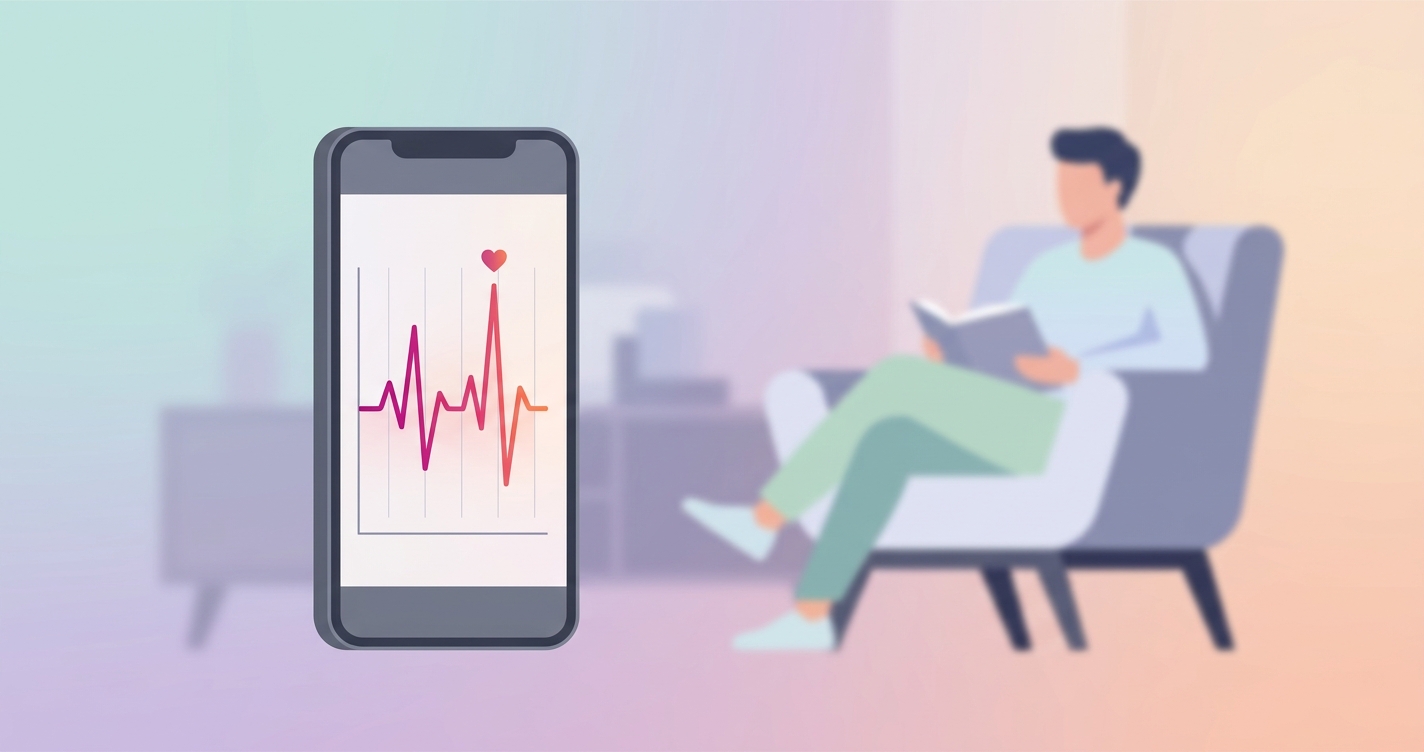
For the millions of people living with diabetes, the daily routine of the fingerstick blood test is a constant and often painful reminder of their condition. This decades-old method, while effective for glucose measurement, comes with a significant daily burden that affects quality of life and adherence to care plans. The desire for a way to monitor diabetes with no fingerstick is not about convenience; it is about reducing the physical and psychological weight of managing a chronic disease, leading patients and caregivers to seek less invasive and more integrated solutions.
"Adherence rates for self-monitoring of blood glucose (SMBG) vary widely, with some studies indicating rates as low as 20-44% in certain patient populations, often due to the pain, cost, and inconvenience associated with the procedure."
The high cost of traditional diabetes monitoring
The traditional method of self-monitoring of blood glucose (SMBG) has long been the standard of care. However, the cumulative impact of daily testing creates significant barriers to consistent long-term use. Research from various sources, including a 2017 qualitative study by Lawton et al. published in BMC Endocrine Disorders, highlights the patient burden. The pain and calluses from repeated lancing are a primary deterrent. Beyond the physical discomfort, there is the psychological toll of needle-phobia, the anxiety of anticipating a high or low reading, and the sheer burnout from the relentless nature of the task. Many patients find the process inconvenient, disruptive to daily life, and socially awkward.
For chronic care management (CCM) providers and value-based care organizations, these burdens translate directly into operational challenges. Poor adherence to a monitoring schedule leads to incomplete data, making it difficult for care managers to assess glycemic control, identify patterns, and intervene before a patient's condition deteriorates. The quest to monitor diabetes no fingerstick is therefore a critical goal for improving patient engagement and achieving better clinical and financial outcomes. When patients fail to test regularly, clinicians are left with an incomplete picture, increasing the risk of hospitalizations and emergency department visits.
| Feature | Self-Monitoring of Blood Glucose (SMBG) | Continuous Glucose Monitoring (CGM) | Contactless Camera-Based Monitoring |
|---|---|---|---|
| Method | Fingerstick blood sample | Minimally invasive sensor (subcutaneous) | Remote optical and thermal imaging |
| Data Points | Intermittent (user-initiated) | Continuous (every 5-15 mins) | Intermittent (daily check-in) |
| User Burden | High (pain, cost, inconvenience) | Medium (sensor changes, calibration) | Low (no physical contact or device) |
| Key Metrics | Blood Glucose | Glucose, Trend Arrows, Time-in-Range | Heart Rate, HRV, SpO2, Respiratory Rate |
| Primary Use | Glycemic control | Glycemic patterns, hypo/hyperglycemia alerts | Cardiovascular and autonomic health trends |
Industry applications in value-based care
For Accountable Care Organizations (ACOs) and other value-based care entities, the move away from fingerstick-dependent monitoring is a strategic imperative. The focus is shifting from single data points to longitudinal trend data that provides a more holistic view of a patient's health.
Improving patient adherence and engagement
The most immediate benefit of no-fingerstick technologies is the reduction in patient burden.
- Lower friction: By removing the pain and hassle of daily finger pricks, patients are more likely to adhere to a daily check-in schedule.
- Increased engagement: Less invasive methods can make patients feel less like a "patient" and more in control of their health, building a more positive relationship with their care team.
- Reduced device fatigue: Eliminating the need for another specialized piece of hardware reduces the clutter and complexity that often leads patients to abandon monitoring programs.
Data-driven intervention models
No-fingerstick methods, particularly those that capture a range of vital signs, provide a richer dataset for care managers.
- Autonomic Neuropathy Tracking: As shown in research from Dr. J.S. Yudkin and colleagues, changes in heart rate variability (HRV) can be an early indicator of cardiovascular autonomic neuropathy, a serious complication of diabetes. Contactless monitoring can track HRV trends over time.
- Cardiovascular Risk Assessment: By monitoring resting heart rate, respiratory rate, and blood oxygen saturation (SpO2), care teams can gain insight into a patient's overall cardiovascular health, which is closely linked to diabetes management.
- Prioritizing Outreach: Dashboards that visualize these trends allow care managers to efficiently identify at-risk patients and prioritize them for intervention, rather than relying on sporadic and often incomplete glucose readings.
Current research and evidence
The evidence supporting less invasive monitoring is growing. Continuous Glucose Monitoring (CGM) has been a major step forward. A 2018 study published in Diabetes Technology & Therapeutics by Rodbard et al. found that CGM use was associated with significant improvements in HbA1c levels for adults with type 2 diabetes. CGMs reduce the need for frequent fingersticks, though they still require a minimally invasive sensor inserted under the skin and periodic calibrations with a traditional meter.
The next frontier is truly non-invasive and contactless monitoring. While direct, non-invasive glucose measurement remains a significant technological challenge, current camera-based technologies provide critical proxy indicators of diabetic health. Research into photoplethysmography (PPG), the same technology used in pulse oximeters, allows for the measurement of heart rate, HRV, and SpO2 from a simple video feed of a person's face. A 2020 study by Poh et al. at MIT demonstrated the feasibility of this approach for capturing cardiovascular signals remotely. This data provides a window into the systemic effects of diabetes, such as autonomic dysfunction and cardiovascular strain.
The future of diabetes monitoring
The trajectory of diabetes care is moving decisively away from invasive, single-metric measurements. The future lies in integrated systems that combine multiple data streams to create a comprehensive, personalized view of each patient. We are moving toward a model where passive, ambient sensing can provide a continuous flow of information without requiring active participation from the patient. This includes Vital signs. Potentially activity levels, sleep patterns, and other behavioral data.
For chronic care programs, this means that the ability to monitor diabetes with no fingerstick will soon become the standard of care. The integration of AI and machine learning will be crucial for interpreting these complex datasets, identifying subtle patterns that precede acute events, and enabling clinicians to deliver proactive, preventative care. The ultimate goal is to create a system that is Less burdensome for the patient. More powerful for the clinician.
Frequently asked questions
What are the main alternatives to fingerstick glucose testing? The most common alternative is Continuous Glucose Monitoring (CGM), which uses a small sensor inserted under the skin to measure glucose levels in the interstitial fluid continuously. Emerging technologies also allow for contactless monitoring of related vital signs like heart rate variability, which can indicate diabetes-related complications.
How does camera-based monitoring work for diabetes management? Camera-based or contactless monitoring does not measure glucose directly. Instead, it uses a device's camera (like a smartphone or tablet) to measure key vital signs such as heart rate, heart rate variability (HRV), respiratory rate, and SpO2. This data helps clinicians track the impact of diabetes on the cardiovascular and autonomic nervous systems, providing early warnings of complications.
Is non-invasive diabetes monitoring clinically accepted? While direct non-invasive glucose monitoring is still largely in the research phase, methods for monitoring related vital signs are well-established. For example, camera-based photoplethysmography (PPG) for measuring heart rate and SpO2 is clinically recognized. Chronic care programs use this data to supplement their understanding of a patient's condition, not to replace glucose measurement entirely.
Can this type of monitoring help with conditions other than diabetes? Yes. The vital signs captured through contactless monitoring (heart rate, HRV, SpO2, respiratory rate) are fundamental indicators of health for a wide range of chronic conditions, including heart failure, COPD, hypertension, and behavioral health comorbidities.
For chronic care management organizations looking to move beyond the limitations of traditional methods, new technologies are making it possible to support patients more effectively and efficiently. Circadify is at the forefront of developing solutions for a new era of remote patient monitoring. To learn more about implementing a contactless monitoring program for your patients, explore our information on chronic care management. You can find more at circadify.com/solutions/chronic-care-management.