How do I track three chronic conditions without juggling four devices?
Learn how monitoring multiple chronic conditions at home is moving beyond juggling multiple devices to a simplified, single-check-in approach for better health management.
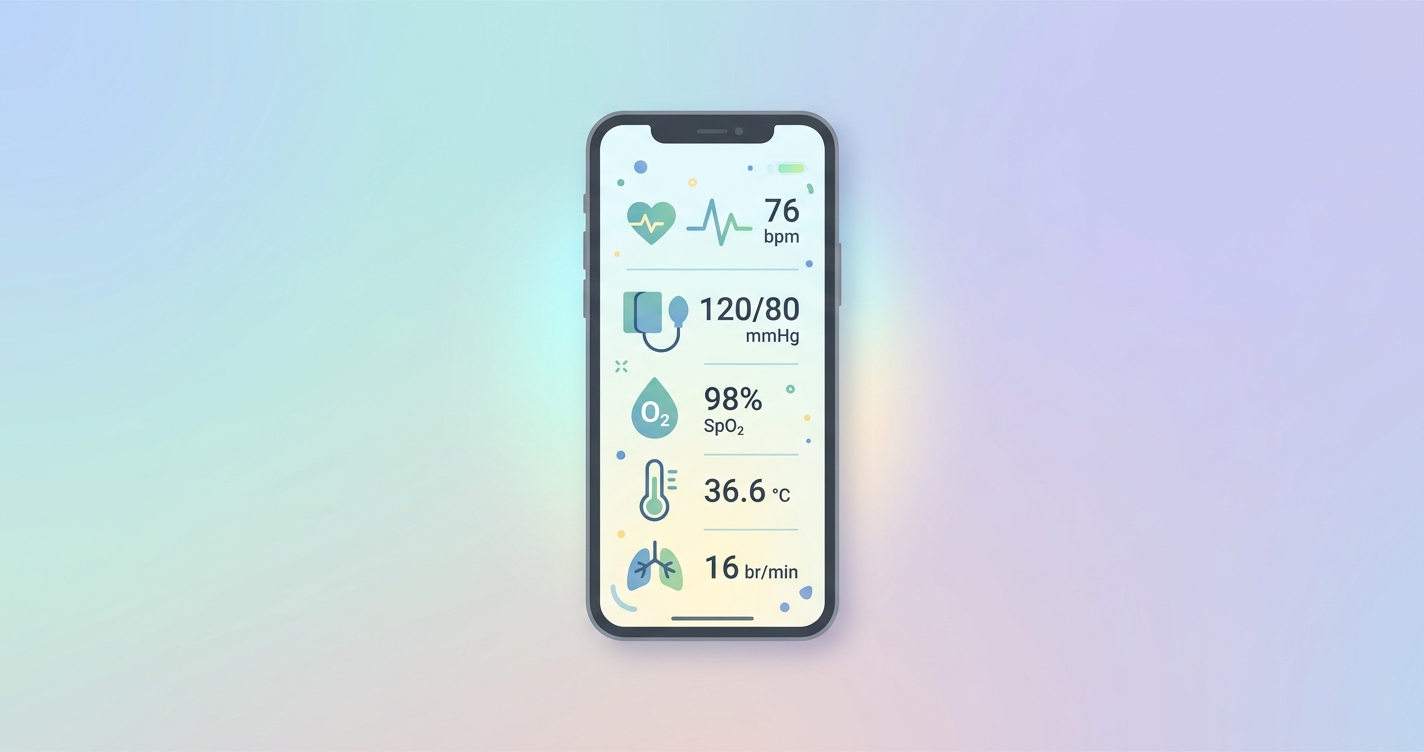
The management of chronic illness has become a dominant feature of the healthcare landscape, with a growing number of individuals navigating not just one, but multiple long-term health issues. This reality of multimorbidity-living with two or more chronic conditions-affects nearly half of all adults in the United States. For these individuals, the daily routine often involves a complicated juggling act of medications, appointments, and medical devices. Managing conditions like heart failure, Chronic Obstructive Pulmonary Disease (COPD), and diabetes simultaneously pushes the limits of patient self-management and creates a significant daily burden.
"In OECD countries, one in three adults are living with multiple chronic conditions. These individuals have more complex healthcare needs, have more contact with healthcare services, and are more likely to be hospitalized." - Organisation for Economic Co-operation and Development (OECD), 2021
The challenge of monitoring multiple chronic conditions at home
The traditional approach to monitoring multiple chronic conditions at home is fragmented and burdensome. A patient managing heart failure, COPD, and diabetes might be asked to use a blood pressure cuff, a pulse oximeter, and a glucose meter daily. Each device has its own interface, its own charging requirements, and its own method for recording and transmitting data. This "device fatigue" is a major contributor to poor adherence. Research from 2020 by Catherine A. Demers and colleagues at the University of Montreal highlighted that the complexity of self-care tasks is a primary barrier to adherence for patients with multiple chronic conditions. When the process of gathering health data is complicated and time-consuming, patients are less likely to perform their checks consistently, leading to gaps in the data available to their care teams.
This fragmentation Impacts the patient. Presents a significant challenge for chronic care management (CCM) providers. Data comes in from disparate sources, often with delays and in different formats. A care manager might have to log into three separate portals to get a complete picture of a single patient's health status. This inefficiency makes it difficult to spot trends, prioritize interventions, and deliver proactive care. The administrative overhead increases, while the quality of care is compromised by the lack of a unified, real-time view of patient vitals.
| Feature | Traditional Multi-Device Monitoring | Integrated Contactless Monitoring |
|---|---|---|
| Patient Workflow | Multiple distinct steps using several devices (cuff, meter, oximeter). | A single, quick check-in using one application. |
| Device Management | Requires juggling and maintaining 3-4 separate pieces of hardware. | No dedicated medical hardware required; uses existing patient devices. |
| Data Transmission | Data is often manually logged or sent through separate apps. | Vitals are captured and transmitted automatically in one session. |
| Adherence Barrier | High; "device fatigue" and complexity discourage daily use. | Low; streamlined process improves consistency and patient engagement. |
| Data Integration for Clinicians | Data is fragmented across multiple platforms, complicating analysis. | All vital signs are presented in a single, unified dashboard. |
Industry Applications
For value-based care organizations, Accountable Care Organizations (ACOs), and CCM companies, the operational drawbacks of multi-device monitoring are clear. The goal of these organizations is to improve patient outcomes while managing costs, which requires efficient and scalable processes. Key applications of a more integrated approach include:
- Improved Staff Efficiency: Care managers can review a comprehensive set of vitals from a single dashboard, allowing them to monitor more patients effectively and focus their time on those who need it most.
- Proactive Intervention: Unified data streams make it easier to identify subtle, cross-condition trends. For example, a rising respiratory rate alongside a change in blood pressure could signal an impending exacerbation that might be missed when data is viewed in silos.
- Higher Patient Engagement: A simplified, contactless process that takes less than a minute removes the primary barriers to self-monitoring. Higher engagement translates to more consistent data, which is the foundation of effective remote care.
- Scalability: Programs can be scaled more easily without the logistical overhead of procuring, shipping, and managing thousands of separate medical devices.
Current research and evidence
The move toward integrated monitoring is supported by a growing body of research focused on reducing patient burden and improving the efficacy of remote care. A 2022 study by researchers at the University of California, San Francisco, found that RPM programs were most successful when they were easy to use and integrated smoothly into a patient's daily life. The concept of "treatment burden" - the effort required from patients to manage their health - is a key area of study. A paper published in BMJ Open (2018) by Victor M. Montori and a team from Mayo Clinic emphasizes that reducing this burden is critical for improving patient-reported outcomes and adherence to care plans.
Furthermore, technologies that enable contactless monitoring are demonstrating their value. Research in the field of remote photoplethysmography (rPPG), the technology that allows for camera-based vitals monitoring, has shown high degrees of accuracy for metrics like heart rate, respiratory rate, and blood pressure variability. A 2021 study in Nature Communications confirmed the viability of using smartphone cameras to capture cardiovascular signals with clinical-grade accuracy, paving the way for scalable, hardware-free monitoring solutions.
The future of at-home chronic care
The future of monitoring multiple chronic conditions at home lies in seamless, passive, and integrated data collection. The paradigm is shifting away from active, device-centric tasks toward a model where vital signs are captured with minimal patient effort. Instead of asking a person to find and use three different devices, the next generation of chronic care technology allows them to complete a single, comprehensive check-in from their own smartphone or tablet. This consolidation simplifies the patient experience and provides clinical teams with a holistic view of health trends. This approach doesn't just make life easier for the patient; it provides richer, more consistent data that is essential for the predictive analytics that power modern chronic care management.
Frequently asked questions
Q: How can a single device or application measure so many different vital signs? A: Modern contactless monitoring technologies use advanced signal processing and computer vision. By analyzing the light reflected from the skin on a person's face, algorithms can detect the tiny, imperceptible changes in color that occur with each heartbeat. From this core signal, it's possible to accurately derive heart rate, respiratory rate, blood pressure, and other key vitals.
Q: Is the data from a contactless check-in as reliable as a traditional cuff or oximeter? A: The accuracy of camera-based monitoring solutions has been validated in numerous clinical studies against traditional medical devices. While they are intended for general health monitoring and not for diagnosis, the trends they provide are reliable for helping care teams understand a patient's day-to-day status and spot meaningful changes over time.
Q: What happens if I miss a daily check-in? A: The goal of any home monitoring program is consistency, not perfection. If you miss a day, your care team will simply have a small gap in your data. The ease and speed of a single-scan check-in make it much easier to get back on track the next day compared to the effort of using multiple devices.
As the healthcare industry continues to embrace value-based care and proactive disease management, the need for patient-centric technology is critical. Circadify is at the forefront of this shift, developing solutions that simplify the process of monitoring multiple chronic conditions at home. By replacing a table full of hardware with a single, intuitive application, we empower patients to take control of their health without the fatigue and complexity of older methods. To learn more about how our platform supports comprehensive chronic care management programs, visit circadify.com/solutions/chronic-care-management.