Can my doctor see my vitals between appointments if I have heart disease?
For chronic cardiac patients, long gaps between appointments create blind spots. Learn how technology to share daily vitals with doctor between visits closes this gap for CCM programs.
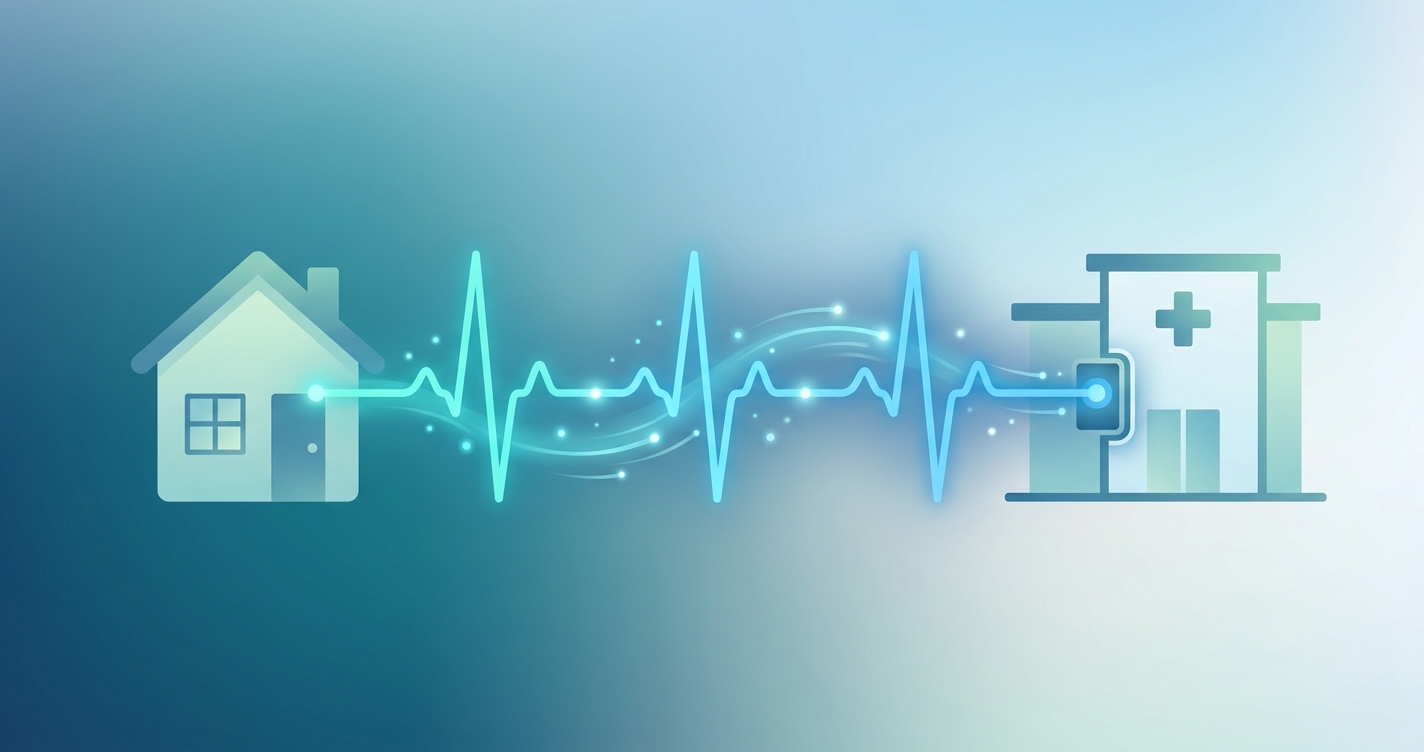
For the 6.7 million adults in the United States managing heart failure, the quarterly visit to the cardiologist's office represents a critical but infrequent touchpoint. These appointments are essential for assessing status, adjusting medications, and planning care. However, the long intervals between these visits create significant blind spots where a patient's condition can subtly change or deteriorate without clinical oversight. The traditional model of episodic care struggles to capture the day-to-day fluctuations of a dynamic condition like heart disease. This data gap can lead to delayed interventions, preventable hospitalizations, and increased costs for care providers. The core operational challenge for cardiology practices, accountable care organizations (ACOs), and chronic care management (CCM) providers is gaining timely visibility into patient status.
"A comprehensive meta-analysis of remote patient monitoring (RPM) in heart failure found that structured telephone support and non-invasive telemonitoring were associated with a significant reduction in all-cause mortality and heart failure-related hospitalizations." - The Cochrane Database of Systematic Reviews, 2019.
The problem with episodic data in chronic cardiology
The standard of care for stable heart disease patients often involves clinic visits every three to six months. In that time, a patient's adherence to a complex medication regimen can vary, lifestyle factors can change, and subtle symptoms of decompensation can emerge and progress. A care team relying solely on data from the last appointment is effectively flying blind. By the time a patient reports feeling unwell, they may already be on a trajectory toward an acute event, turning a manageable situation into an emergency department visit or a costly inpatient admission. This is the primary challenge that emerging care models seek to address: how to share daily vitals with doctor between visits in a way that is actionable for the clinician and unobtrusive for the patient. Without a steady stream of objective data, care teams are forced into a reactive posture, responding to crises rather than proactively managing health.
| Metric | Traditional Episodic Care | Continuous Remote Monitoring |
|---|---|---|
| Data Frequency | Quarterly or biannually | Daily or near real-time |
| Intervention Timing | Reactive (at next appointment or ER visit) | Proactive (within days or hours of change) |
| Clinician Visibility | Limited to in-person assessment | Continuous trend data and alerts |
| Patient Burden | High recall burden during visits | Low daily engagement (contactless) |
| Medication Titration | Slow, based on limited data points | More precise, based on daily trends |
Industry Applications
For organizations managing large populations of chronic disease patients, the ability to collect and analyze daily vitals is not just a clinical advantage; it is a strategic operational imperative. It allows for the efficient allocation of clinical resources, focusing attention on the patients who need it most.
Chronic care management (ccm) integration
For CCM providers, daily vital signs provide the objective data needed to make monthly check-ins more substantive and effective. Instead of relying on patient memory, a care manager can review trends in blood pressure, heart rate, and respiratory rate.
- Identify early warning signs of decompensation.
- Facilitate more informed conversations about medication adherence and side effects.
- Create a clear audit trail of proactive engagement for billing and quality reporting.
- Prioritize outreach efforts based on risk stratification dashboards powered by the daily data feeds.
Value-Based Care and ACOs
In value-based care models, preventing hospitalizations is critical. Organizations that share daily vitals with doctor between visits are better positioned to achieve the quality metrics and cost reductions that define success. This data stream enables powerful new workflows, such as using heart rate variability (HRV) trends to flag autonomic dysfunction in diabetic patients or spotting gradual weight gain and increased respiratory rate that can signal impending heart failure exacerbation.
Current research and evidence
The shift toward remote data collection is supported by a growing body of evidence. The landmark TIM-HF2 trial, a randomized controlled study, provided significant insights. Researchers in Germany found that a structured remote patient management program for heart failure patients led to a significant reduction in the percentage of days lost due to unplanned cardiovascular hospitalizations and all-cause mortality compared to usual care. The study, published by Köhler et al. in 2017, highlighted the importance of a structured, multi-parameter approach.
More recent meta-analyses have reinforced these findings. A 2021 review published in the journal Hypertension confirmed that remote blood pressure monitoring is associated with significant reductions in systolic and diastolic blood pressure. While many studies have focused on cuff-based devices or wearables, the logistical challenges of device fatigue and patient adherence have driven interest in contactless solutions that can gather data passively. The key takeaway from the research is that the frequency and consistency of data are more important than the specific device used to capture it.
The future of contactless vitals monitoring
The future of managing chronic heart disease lies in making the collection of daily health data an invisible and effortless part of a patient's life. As technology evolves, we are moving away from systems that require significant patient interaction. The goal is to integrate monitoring into the patient's home environment seamlessly. Camera-based, or photoplethysmography (rPPG), technologies that can measure heart rate, respiratory rate, and even blood pressure from a short video stream are at the forefront of this shift. This approach eliminates the "device fatigue" associated with wearables and cuffs, promising higher long-term adherence, especially among older adults or those managing multiple conditions. For providers, this means a more reliable and consistent data stream to power their CCM and value-based care programs.
Frequently asked questions
Q: How does sharing daily vitals with a doctor actually work? A: Typically, it involves a remote monitoring platform. A patient uses a device, or a contactless software solution on their own smartphone, to capture their vital signs daily. This data is sent securely to a clinical dashboard. The care team doesn't necessarily look at every single reading, but the system is programmed to alert them to concerning trends or readings that fall outside of preset parameters, allowing them to intervene efficiently.
Q: What vital signs are most important for a heart disease patient to share? A: While this depends on the specific condition, key indicators for heart failure management often include heart rate, respiratory rate, blood pressure, and heart rate variability (HRV). Sudden or steady changes in these metrics can be early indicators of fluid retention or worsening cardiac function.
Q: Is this technology difficult for patients, especially older adults, to use? A: It's a common concern, but modern solutions are designed for simplicity. Contactless monitoring, in particular, is gaining traction because it often uses a device the patient already owns and understands, like their smartphone. The process can be as simple as looking at their phone's camera for 60 seconds, which drastically reduces the technology barrier and improves adherence.
The industry is actively moving to solve the problem of care gaps for chronic conditions. At Circadify, we are focused on providing the technology that enables chronic care management providers and value-based care organizations to get the daily data they need without burdening patients with complex devices. To learn more about how contactless monitoring can be integrated into a successful CCM program, see our information on Chronic Care Management solutions.