Can I prevent a sudden health crisis from my chronic condition just by using my phone?
How chronic care management technology and daily phone check-ins can flag a chronic condition crisis days before acute symptoms appear.
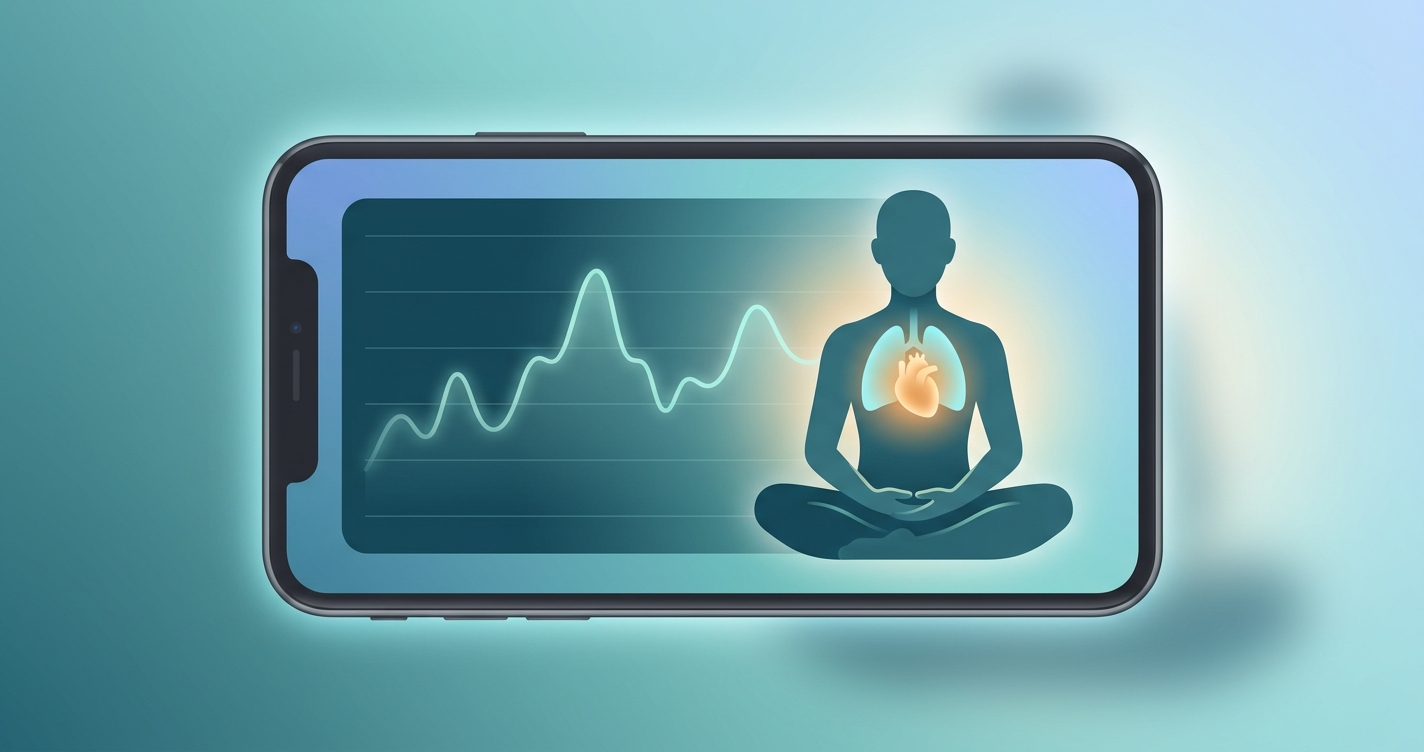
A patient who feels fine on Monday and lands in the emergency department on Thursday is not unlucky. In most chronic conditions, the body begins shifting days before a person notices anything, and those early shifts show up in numbers long before they show up in symptoms. That gap between silent change and felt crisis is exactly where chronic care management technology now operates, and it is why a phone-based daily check-in has become a serious clinical tool rather than a convenience feature. The honest answer to whether a phone can help prevent a sudden crisis is yes, with important conditions: it depends on what is measured, how consistently, and whether anyone is watching the trend.
A meta-analysis of remote patient monitoring in heart failure found that monitoring reduced heart failure-related hospitalizations with a risk ratio of roughly 0.80, while some active monitoring programs reported reductions in heart failure hospitalizations of more than 80 percent compared with usual care.
How chronic care management technology turns daily numbers into early warnings
The premise behind chronic care management technology is straightforward. Acute events in heart failure, chronic obstructive pulmonary disease (COPD), and diabetes rarely arrive without warning. They are preceded by measurable drift: a resting heart rate creeping up, oxygen saturation slipping, breathing rate rising, weight climbing from fluid retention, or blood pressure trending in the wrong direction. A patient cannot feel a two percent drop in oxygen saturation. A care team watching a daily trend line can.
The phone matters here for a specific reason. Adherence is the entire game in prevention, and the most accurate device is useless if it sits in a drawer. When a check-in takes seconds and requires no cuff, no strip, and no charging, patients complete it. That consistency is what produces a usable trend rather than scattered, occasional readings. A single vital sign on a random Tuesday tells you almost nothing. Thirty consecutive days of the same vital sign tells you where a body is heading.
What a daily phone check-in can realistically flag includes:
- Gradual weight gain pointing to fluid buildup in heart failure
- A rising resting heart rate that often precedes decompensation
- Falling oxygen saturation or rising respiratory rate in COPD
- Blood pressure drifting outside a patient's normal range
- Reduced heart rate variability, an early signal of physiological stress
- Day-to-day changes a patient would otherwise dismiss as feeling tired
The value is not any single reading. It is the slope of the line over time, interpreted against that person's own baseline.
Reactive care versus preventive monitoring
The difference between waiting for symptoms and watching trends is the difference between a hospital admission and a phone call that adjusts a medication. The table below contrasts the two models that chronic care programs operate between.
| Dimension | Reactive symptom-based care | Preventive daily monitoring |
|---|---|---|
| Trigger for action | Patient feels sick and calls or presents | Vitals trend crosses a threshold |
| Detection window | Hours to symptom onset | Days before symptom onset |
| Typical intervention | Emergency visit or admission | Medication change, diet, outreach call |
| Cost of response | High (acute, inpatient) | Low (ambulatory, remote) |
| Patient role | Notice and report symptoms | Complete a short daily check-in |
| Data available to clinician | Snapshot at the visit | Continuous trend over weeks |
| Effect on outcomes | Manages crises after they begin | Aims to prevent the crisis |
The preventive column is what value-based care organizations are buying when they invest in monitoring. The goal is to move the point of intervention earlier, where it is cheaper, safer, and far less frightening for the patient.
Industry applications across chronic conditions
Heart failure
Heart failure is the clearest example because fluid retention produces measurable signals before a patient feels short of breath. Weight and heart rate trends, watched daily, give care teams a window to adjust diuretics remotely. A 2024 randomized trial of telemedicine interventions reported a 44 percent reduction in heart failure-related rehospitalizations at 180 days, and an Omron Healthcare study found that remotely monitored vital signs surfaced early signs of heart failure risk in more than 33 percent of participants, enabling intervention before an acute event.
COPD
For COPD, exacerbations drive both hospitalizations and long-term decline. Daily tracking of breathing rate and oxygen saturation can catch the early phase of an exacerbation when it is still responsive to outpatient treatment. Catching that window can mean a course of medication at home instead of a multi-day admission.
Diabetes
In diabetes, the slow signals matter as much as the acute ones. Trends in resting heart rate and heart rate variability can reflect autonomic strain and cardiovascular risk that a quarterly lab visit misses entirely. Daily check-ins keep a person's risk picture current between appointments rather than frozen at the last visit.
For chronic care management companies and accountable care organizations, the common thread is operational. One daily check-in surface that works across heart failure, COPD, and diabetes lets a care team manage a multimorbid population from a single dashboard, prioritizing the patients whose trends are moving.
Current research and evidence
The evidence base for monitoring as prevention has grown steadily. The Centers for Medicare and Medicaid Services created the Chronic Care Management program in 2015 specifically to fund proactive, between-visit care for patients with multiple chronic conditions. Studies of CCM programs have reported reductions in hospitalizations and emergency department visits in the range of 15 percent, with some hospital programs reporting 20 to 30 percent lower readmission rates and per-beneficiary savings reported around 74 dollars per month.
On the monitoring side, a meta-analysis of remote patient monitoring in heart failure found a roughly 20 percent relative reduction in heart failure-related hospitalizations (risk ratio near 0.80). Broader reviews have associated remote monitoring with readmission reductions of up to 50 percent for certain chronic conditions and mortality reductions ranging from 20 to 60 percent depending on the population and program design.
Two caveats run through this research. First, the effect depends heavily on whether someone acts on the data; alerts that no one reviews change nothing. Second, invasive hemodynamic monitoring has shown larger effects than noninvasive methods in some trials, which means noninvasive daily monitoring works best as an early triage layer that flags who needs a closer look, not as a replacement for clinical judgment.
The future of chronic care management technology
The direction of travel is toward lower friction and smarter triage. Device fatigue is the quiet killer of monitoring programs, and the next phase of chronic care management technology is built around removing hardware from the patient's daily routine entirely. Contactless approaches that capture vital signs through a phone camera aim to make the daily check-in something a patient actually sustains for months and years, not weeks.
The second shift is from raw alerts to ranked priorities. As trend data accumulates, the useful question is not whether a number crossed a line but which patients in a panel of hundreds are most likely to deteriorate this week. Care teams have finite hours, and the technology that wins will be the one that points those hours at the right people. Expect monitoring to become less about individual readings and more about population-level risk stratification feeding a care manager's morning worklist.
Frequently asked questions
Can a phone really detect a health crisis before I feel symptoms?
It can detect the physiological changes that often precede symptoms, such as rising heart rate, falling oxygen saturation, or fluid-related weight gain. The phone does not diagnose a crisis on its own. It surfaces trends so a care team can intervene during the quiet window before symptoms appear. The prevention comes from that human follow-up, not the measurement alone.
Is daily monitoring better than my regular doctor visits?
It complements visits rather than replacing them. A quarterly appointment is a single snapshot, while daily check-ins fill the long gaps between visits with continuous information. Research on chronic care management consistently shows the strongest results when between-visit monitoring is paired with a clinical team that reviews the data and adjusts care.
What conditions benefit most from daily vitals check-ins?
Conditions where measurable changes precede acute events benefit most, especially heart failure, COPD, and diabetes. Heart failure responds particularly well because fluid retention shows up in weight and heart rate trends days before breathlessness, giving clinicians time to adjust medication remotely.
Does this only work if I use it every day?
Consistency is what makes monitoring effective. A trend line built from daily check-ins reveals direction and rate of change, while scattered readings do not. Low-friction, contactless check-ins exist precisely because programs that depend on cuffs, strips, and chargers tend to see participation fade over time.
Circadify is working on this space directly, building contactless daily check-ins designed to keep heart failure, COPD, and diabetes patients monitored without device fatigue. Chronic care management companies and value-based care organizations evaluating preventive monitoring can learn more about deploying it across a population at circadify.com/solutions/chronic-care-management.