Can a phone tell when chronic illness is flaring up before I feel it?
Explore the emerging technology that allows smartphones to detect early warning signs of chronic disease flare-ups before symptoms are felt, and what it means for the future of healthcare.
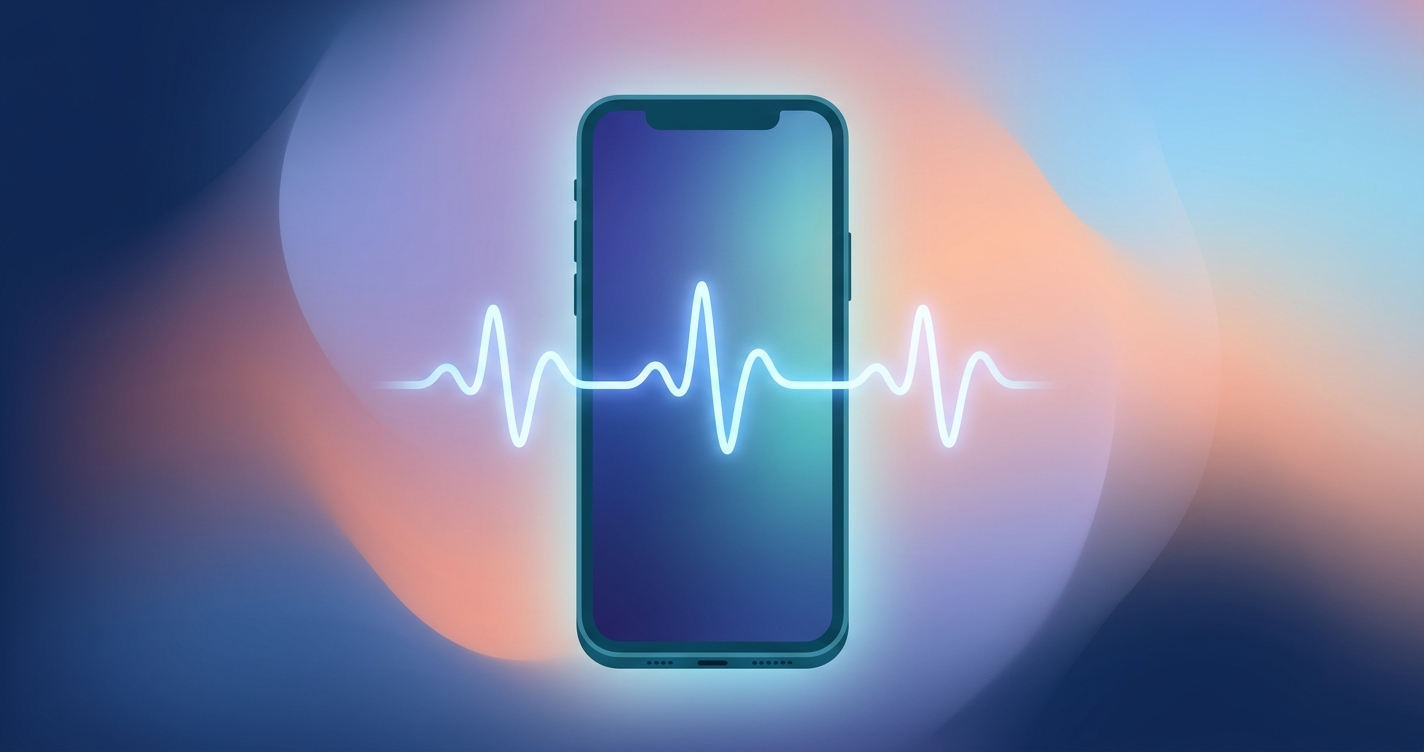
For the millions of people managing a chronic illness, the daily uncertainty can be one of the most challenging aspects. The fear of a sudden flare-up of conditions like heart failure, COPD, or diabetes can be a constant source of anxiety. What if your phone could provide an early warning, detecting the subtle physiological changes that precede a significant health event, even before you feel any symptoms? This is no longer the realm of science fiction. The phone in your pocket is increasingly capable of becoming a powerful tool for proactive health monitoring.
"The use of smartphones and wearables for continuous monitoring of physiological parameters can help in the early detection of exacerbations of chronic diseases and may reduce hospitalization rates." - (Mishra, et al., 2020)
Can a phone detect a chronic flare-up before symptoms appear?
The short answer is yes, the potential is significant. The key lies in the array of sensors packed into modern smartphones, high-resolution cameras, microphones, accelerometers, and gyroscopes. When combined with sophisticated software and artificial intelligence, these sensors can capture and analyze a surprising amount of health-related data. The primary goal is to phone detect chronic flare before symptoms become apparent, enabling earlier and more effective interventions.
This is not about replacing medical-grade devices or the expertise of healthcare professionals. Instead, it is about augmenting their capabilities by providing a continuous stream of data from a patient's everyday environment. This data can reveal subtle trends and patterns that would be impossible to capture during a typical doctor's visit. For example, slight changes in breathing rate, heart rate variability, skin color, and even voice characteristics can be early indicators of a worsening condition. A study by researchers from the University of Washington demonstrated that a smartphone could be used to detect respiratory issues by analyzing breathing sounds.
Methods for remote health monitoring
| Feature | Traditional Monitoring | Wearable Devices | Contactless Smartphone Monitoring |
|---|---|---|---|
| Data Frequency | Episodic (e.g., quarterly visits) | Continuous or frequent | Daily or on-demand |
| Patient Burden | High (travel, scheduling) | Moderate (charging, wearing) | Low (uses existing device) |
| Types of Data | Lab results, in-office vitals | Heart rate, activity, sleep | Heart rate, HRV, SpO2, respiratory rate |
| Early Detection | Limited to patient-reported symptoms | Good | Excellent |
Industry Applications
Heart Failure and COPD
For conditions like heart failure and COPD, early detection of exacerbations is critical to preventing hospitalizations. Researchers are exploring how smartphone cameras can measure respiratory rate and blood oxygen saturation (SpO2) through techniques like photoplethysmography (PPG). A 2021 study in Nature Digital Medicine by Jian-Cheng Wu and colleagues showed how smartphone-based PPG could be used to screen for atrial fibrillation. By analyzing videos of a person's face, algorithms can detect subtle changes in skin color that correspond to their heartbeat, providing a measure of heart rate and rhythm.
Diabetes and metabolic health
Managing diabetes has traditionally relied on invasive methods like fingerstick blood glucose tests. While non-invasive glucose monitoring is still an evolving field, smartphones are already playing a role in diabetes care. They can help track diet, activity, and medication adherence. Furthermore, research is underway to explore how changes in heart rate variability (HRV), which can be measured with a smartphone camera, might correlate with blood sugar fluctuations and the risk of autonomic neuropathy, a common complication of diabetes.
Musculoskeletal and inflammatory conditions
Even conditions like rheumatoid arthritis (RA) are being studied in the context of smartphone-based monitoring. A study led by Laurie A. Schipper at the University of Michigan (2020) found that data from smartphone sensors and wearables could predict RA flares. By tracking metrics like sleep duration, physical activity, and heart rate, the researchers were able to identify patterns that preceded a flare-up. This could allow patients and their doctors to take preemptive action, such as adjusting medication or lifestyle, to mitigate the severity of the flare.
Current research and evidence
The body of evidence supporting the use of smartphones for pre-symptomatic detection is growing rapidly. A systematic review published in JMIR mHealth and uHealth in 2022 analyzed numerous studies and concluded that smartphone-based measurements of vital signs showed promising results, particularly for heart rate and respiratory rate. However, the authors also highlighted the need for more rigorous validation against clinical-grade equipment.
Another area of active research is the use of "digital biomarkers", objective, quantifiable physiological and behavioral data collected by digital devices. These can range from gait speed and stability, measured by the phone's accelerometer, to voice analysis that can detect changes associated with respiratory or neurological conditions. For instance, researchers have shown that changes in vocal cord function, detectable by a smartphone microphone, can be an early sign of worsening heart failure.
- Voice analysis for heart failure: Subtle changes in a person's voice can indicate fluid retention in the lungs.
- Gait analysis for fall risk: The accelerometer and gyroscope can monitor walking patterns to assess fall risk in older adults or those with neurological conditions.
- Facial scanning for cardiovascular health: Algorithms can analyze facial videos to estimate blood pressure and other cardiovascular risk factors.
The future of smartphone-based health monitoring
The future of this technology lies in the integration of multiple data sources and the application of more advanced AI. Imagine a system that Analyzes your vital signs. Considers your calendar, your activity levels, and even environmental factors like air quality. By creating a more holistic picture of your health, these systems could provide highly personalized and predictive insights.
This will require a move from single-point measurements to the analysis of long-term trends. Instead of just telling you your heart rate, the phone will be able to tell you if your average heart rate is trending upwards, a potential sign of trouble. This is where machine learning models excel, as they can identify complex patterns in large datasets that would be invisible to the human eye.
Frequently asked questions
Q: Do I need a special app for this? A: Yes, this technology typically requires a specialized app. These apps contain the algorithms needed to process the sensor data and interpret the results. They are often developed in partnership with healthcare providers or research institutions to ensure that the information they provide is meaningful and actionable.
Q: How is my privacy protected? A: This is a critical concern. Reputable apps and services use strong encryption to protect your data both on your device and when it is transmitted to the cloud. They should also have clear privacy policies that explain what data is collected and how it is used. It is important to choose services that are HIPAA-compliant if you are in the United States.
Q: Is this a replacement for my doctor? A: Absolutely not. This technology is a tool to be used in partnership with your healthcare provider. It can provide valuable information that can help you and your doctor make more informed decisions about your care. It is not a diagnostic tool and should not be used to self-diagnose or replace regular medical check-ups.
As the technology to phone detect chronic flare before symptoms continues to mature, it promises to shift the paradigm of chronic disease management from reactive to proactive. By providing individuals and their care teams with early warnings, it empowers them to take control of their health in a new and powerful way. Circadify is at the forefront of this space, developing solutions that use contactless technology to help chronic care management companies improve patient outcomes. Learn more about our CCM program info.