How to Launch a Diabetes Remote Monitoring Program in 90 Days
A step-by-step 90-day rollout plan for a no-device diabetes remote monitoring program, built for chronic care management and value-based care teams.
Most chronic care leaders do not stall on whether to monitor diabetes between visits. They stall on the rollout itself, where a sensible plan turns into a six-month procurement cycle, a stack of unopened glucometers, and a panel that quietly disengages. Building a diabetes remote monitoring program in 90 days is realistic, but only when the work is sequenced around enrollment, staffing, and reimbursement rather than hardware logistics. This plan treats the launch as an operational project with three 30-day phases, and it assumes a no-device, contactless check-in model that removes the single biggest source of patient drop-off: equipment that has to be shipped, charged, paired, and replaced.
A 2024 analysis of remote patient monitoring in underserved diabetes populations reported a mean HbA1c reduction of 1.8% at six months that held at 1.3% through twelve months, with results consistent across clinic types and unaffected by patient socioeconomic status.
Why a no-device diabetes remote monitoring program changes the timeline
The traditional barrier to launching remote monitoring has never been clinical evidence. It has been the supply chain. A device-based diabetes remote monitoring program forces a sequence of dependencies before a single reading arrives: vendor contracting, hardware inventory, fulfillment, patient onboarding calls, and a steady stream of connectivity support tickets. Each step adds weeks and shaves enrollment.
A contactless model collapses that sequence. When daily check-ins run through a camera-based capture on a device the patient already owns, the program skips fulfillment entirely. There is no inventory to forecast, no return logistics, and no device fatigue, the slow attrition that sets in once the novelty of a new gadget wears off. That single change is what makes a 90-day launch defensible rather than aspirational, because the long pole in the tent is removed before the project even starts.
The clinical case for moving quickly is well documented. A meta-analysis cited across 2024 implementation literature found remote monitoring reduced HbA1c by roughly 0.55% compared with usual care, and a University of Colorado program reported a mean drop from 10.4% to 7.0% in under six months for patients meeting graduation criteria. The intervention works. The question is whether your operating model can stand it up before the budget year closes.
The 90-Day Plan at a Glance
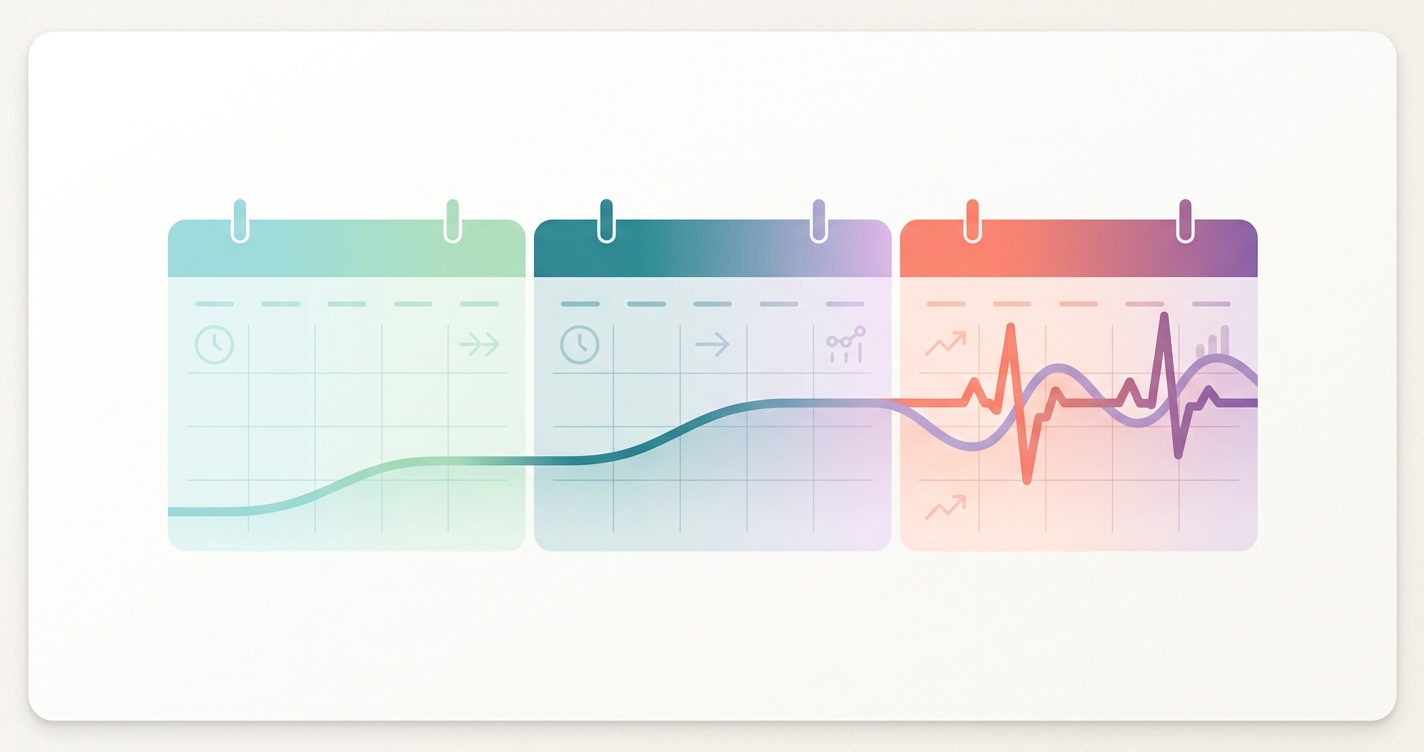
The three phases below map to distinct owners and distinct exit criteria. Each phase should end with a go or no-go checkpoint rather than a soft handoff.
| Phase | Days | Primary Focus | Key Deliverables | Owner |
|---|---|---|---|---|
| Foundation | 1-30 | Eligibility, workflow, billing setup | Patient cohort defined, escalation protocol, billing pathway confirmed | Clinical operations lead |
| Pilot | 31-60 | Enroll 50-100 patients, test workflow | Live check-ins, care team staffing model, alert thresholds tuned | Care management lead |
| Scale | 61-90 | Expand panel, optimize, measure | Full cohort live, dashboard reporting, first reimbursement cycle billed | Program director |
Phase One: Foundation (Days 1 to 30)
The first month is about decisions, not enrollment. Rushing patients into a program with unsettled escalation rules creates alert noise that burns out care managers within weeks.
- Define the eligible cohort. Prioritize patients with the most to gain rather than the easiest to reach. Uncontrolled type 2 diabetes, recent emergency department visits, and medication changes are stronger selection criteria than convenience.
- Set escalation thresholds and ownership. Decide in advance which readings trigger a nurse outreach, which trigger a provider review, and who closes the loop. Ambiguity here is the most common reason early programs generate data nobody acts on.
- Confirm the reimbursement pathway. Under the 2024 Medicare Physician Fee Schedule, remote monitoring billing generally requires an established patient relationship and at least 16 days of qualifying data within a 30-day period. Federally qualified health centers and rural health clinics can bill remote monitoring through HCPCS code G0511 as of January 1, 2024. Map your codes before enrollment, not after.
- Draft the patient consent and onboarding script. A no-device program still requires consent and a clear explanation of what daily check-ins involve.
Exit criteria: a written cohort definition, a one-page escalation protocol, and a confirmed billing pathway signed off by revenue cycle.
Phase Two: Pilot (Days 31 to 60)
The pilot exists to stress-test the workflow at a survivable scale. Enroll 50 to 100 patients, not the whole panel. The goal is to find the breaks while they are cheap to fix.
Staffing the daily review
A diabetes remote monitoring program lives or dies on the care team's daily review rhythm. The 2024 implementation literature is consistent that increased clinician workload is the top reason programs fail to sustain. Two design choices keep that workload contained:
- Triage by exception. Care managers should see a prioritized worklist, not a wall of normal readings. If a clinician has to scroll through stable patients to find the unstable one, the model does not scale.
- Batch the routine, escalate the urgent. Most daily data is reassuring and can be reviewed in a single block. Reserve real-time response for threshold breaches.
Tuning the alerts
Early thresholds are always wrong, and that is expected. Spend the pilot narrowing them so that alerts correlate with action. An alert that does not change a care decision is a cost, not a benefit.
Exit criteria: 50-plus patients with consistent daily check-ins, a staffing ratio you can defend at full scale, and alert thresholds that produce a manageable daily worklist.
Phase Three: Scale (Days 61 to 90)
With the workflow proven, the final month expands the panel and turns on measurement and billing.
- Expand enrollment in waves. Add patients in cohorts of a few hundred rather than all at once, so support load grows predictably.
- Stand up reporting. Track enrollment rate, daily adherence, alert-to-action conversion, and HbA1c trend for the earliest enrollees. These four numbers tell you whether the program is working long before annual outcomes data arrives.
- Run the first reimbursement cycle. Bill the pilot cohort, confirm claims clear, and reconcile any documentation gaps before the full panel generates volume.
- Close the feedback loop with providers. Send a short monthly summary to referring clinicians so the program earns continued referrals.
Exit criteria: full target cohort live, a working dashboard, and a clean first billing cycle.
Current research and evidence
The evidence base supporting a diabetes remote monitoring program has matured well beyond pilot anecdotes. Beyond the underserved-population data showing a 1.8% HbA1c reduction at six months sustained to twelve, randomized work on continuous glucose monitoring paired with virtual educator visits demonstrated a 0.65% greater HbA1c reduction versus enhanced usual care. A pharmacist-led telehealth program running from October 2024 through April 2025 reported a mean HbA1c decline from 10.7% to 7.9% in the treatment group.
The 2024 review work also offers a useful caution. A March 2024 report argued that some digital diabetes tools achieve only small HbA1c reductions that may not be clinically meaningful and can raise total spending. The lesson for a value-based organization is selection discipline: target patients with elevated HbA1c and real escalation risk, where the absolute benefit is largest, rather than spreading monitoring evenly across a stable panel.
The future of diabetes remote monitoring programs
The direction of travel favors lower-friction enrollment. As device fatigue becomes a recognized failure mode rather than an afterthought, contactless and bring-your-own-device check-ins are positioned to widen reach into exactly the populations that struggle most with hardware logistics. Reimbursement is also broadening, with the 2024 expansion of remote monitoring billing to federally qualified health centers and rural health clinics signaling that payers expect these programs to reach underserved settings. For chronic care management and value-based care organizations, the competitive edge over the next few years will come less from which vitals are captured and more from how cleanly a program can enroll, sustain engagement, and convert daily data into timely intervention.
Frequently asked questions
Is 90 days a realistic timeline to launch a diabetes remote monitoring program?
Yes, when the model removes hardware fulfillment from the critical path. Device-based programs stall on procurement and logistics. A no-device, contactless check-in approach lets the first 30 days focus on eligibility, workflow, and billing setup rather than inventory, which is what makes the timeline achievable.
What patients should be enrolled first?
Prioritize patients with the most clinical upside: uncontrolled type 2 diabetes, recent emergency or hospital use, and recent medication changes. Research consistently shows the largest absolute HbA1c benefit in patients with elevated baseline levels, so selection discipline matters more than total enrollment volume.
How does reimbursement work for remote diabetes management?
Under the 2024 Medicare Physician Fee Schedule, remote monitoring billing generally requires an established patient relationship and at least 16 days of qualifying data per 30-day period. Federally qualified health centers and rural health clinics can bill through HCPCS code G0511. Confirm your specific code pathway with revenue cycle before enrolling patients.
What is the most common reason these programs fail?
Increased clinician workload and unmanaged alert volume. Programs that show care managers every reading instead of a prioritized exception list overwhelm staff within weeks. Designing for triage-by-exception during the pilot phase is the single most important safeguard.
Circadify is building toward this contactless, no-device model for chronic care, with daily check-ins designed to remove device fatigue from diabetes, heart failure, and COPD monitoring. If your organization is mapping a 90-day rollout and wants a structured implementation plan, you can review the chronic care management program details and book an implementation consult at circadify.com/solutions/chronic-care-management.